



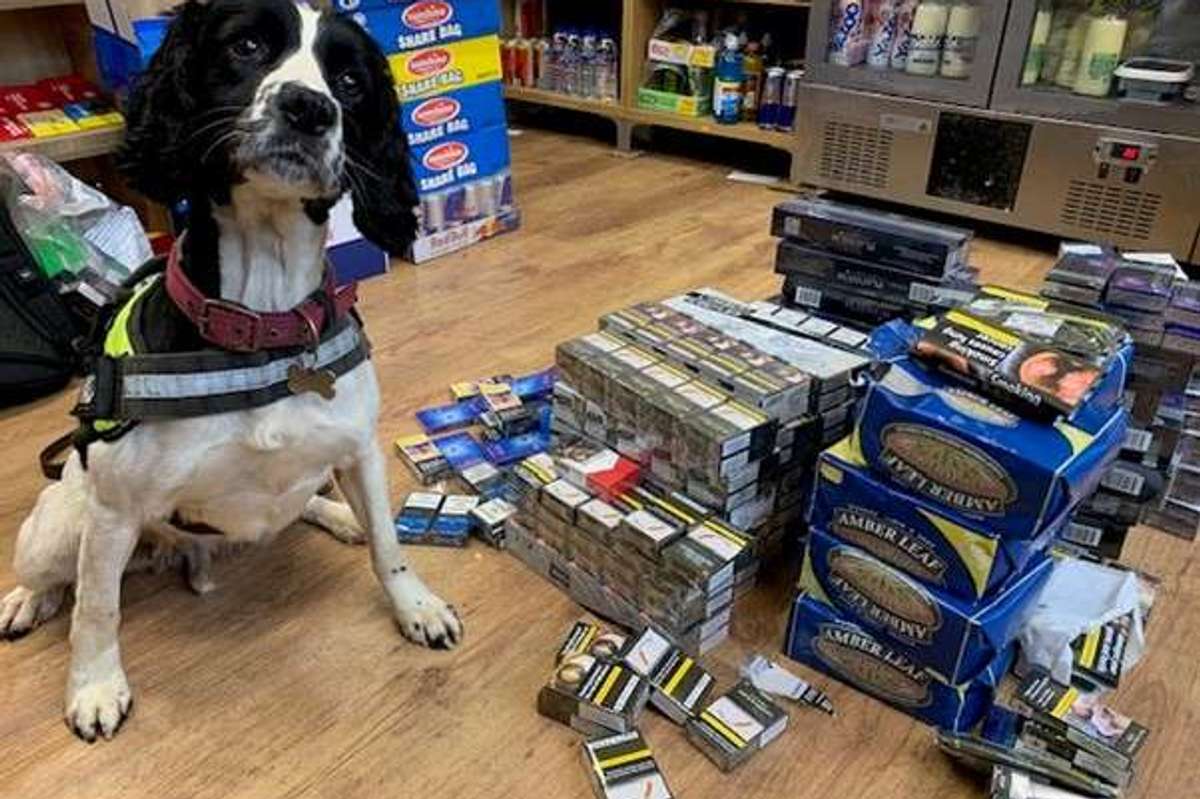

Convenience retailers across the UK are raising alarm over the rapid growth of illicit tobacco and vape sales, warning that the surge is eroding legitimate trade and leaving law-abiding businesses struggling to compete.
Shopkeepers told BBC that illegal operators are increasingly becoming visible on high streets, often operating from pop-up shops or mini markets and selling a mix of stolen goods, illegal tobacco and vapes. Retailers say these outlets are undercutting duty-paid products while facing little meaningful enforcement.
Retailers report that stolen goods, including confectionery, are frequently sold alongside illegal tobacco products, reinforcing a growing underground economy.
Paul Cheema, owner of Malcolm’s Stores in Coventry, said the pricing disparity alone is enough to shift consumer behaviour. While legitimate retailers must source tobacco through authorised wholesalers and comply with strict traceability rules, illegal sellers are offering products at a fraction of the price.
Cheema cited examples of 50g tobacco packs being sold for around £6, compared with roughly £40 for compliant products. As a result, he said, tobacco sales in his own store have “virtually disappeared”.
Beyond lost revenue, retailers are also highlighting wider community concerns. Cheema said local parents had approached him after discovering their children were able to buy single cigarettes for as little as 50p from illicit outlets.
Many of these operators, retailers claim, deliberately obscure their premises with covered windows and employ spotters to monitor enforcement activity.
Local authorities acknowledge the scale of the challenge. Coventry City Council described the illicit tobacco trade as a “national problem”, noting that demand remains high and enforcement resources are limited. The council said it continues to take action where possible, but admitted a large number of shops remain under investigation.
At a recent retail conference in Birmingham, convenience store owners echoed these concerns, pointing to what they see as a cycle of ineffective enforcement. Retailer Natalie Fullerton said that while responsible businesses report illegal activity, “there doesn’t seem to be any enforcement,” with some premises reopening quickly under new ownership even after closure orders.
Dee Sedani described the situation in stark terms, saying retailers feel abandoned, “like we are in the middle of the ocean – sinking.”
The issue is compounded by long-term resource pressures. John Herriman, chief executive of the Chartered Trading Standards Institute, warned that trading standards services have faced funding cuts of up to 50 per cent over the past decade. At the same time, criminal networks continue to access large volumes of illegal products.
Herriman urged the government to strengthen coordination and investment in enforcement, calling the illicit tobacco market a “widespread and growing national problem”.
In response, the government said it is stepping up efforts to tackle illegal trade. Measures include provisions within the forthcoming Tobacco and Vapes Bill, which will introduce on-the-spot fines and a new retailer licensing scheme. Officials also pointed to £30 million in annual funding aimed at supporting enforcement agencies, including Trading Standards, Border Force and HMRC.
However, for many retailers on the ground, the gap between policy and reality remains significant, with illegal operators continuing to flourish while compliant businesses bear the cost.