



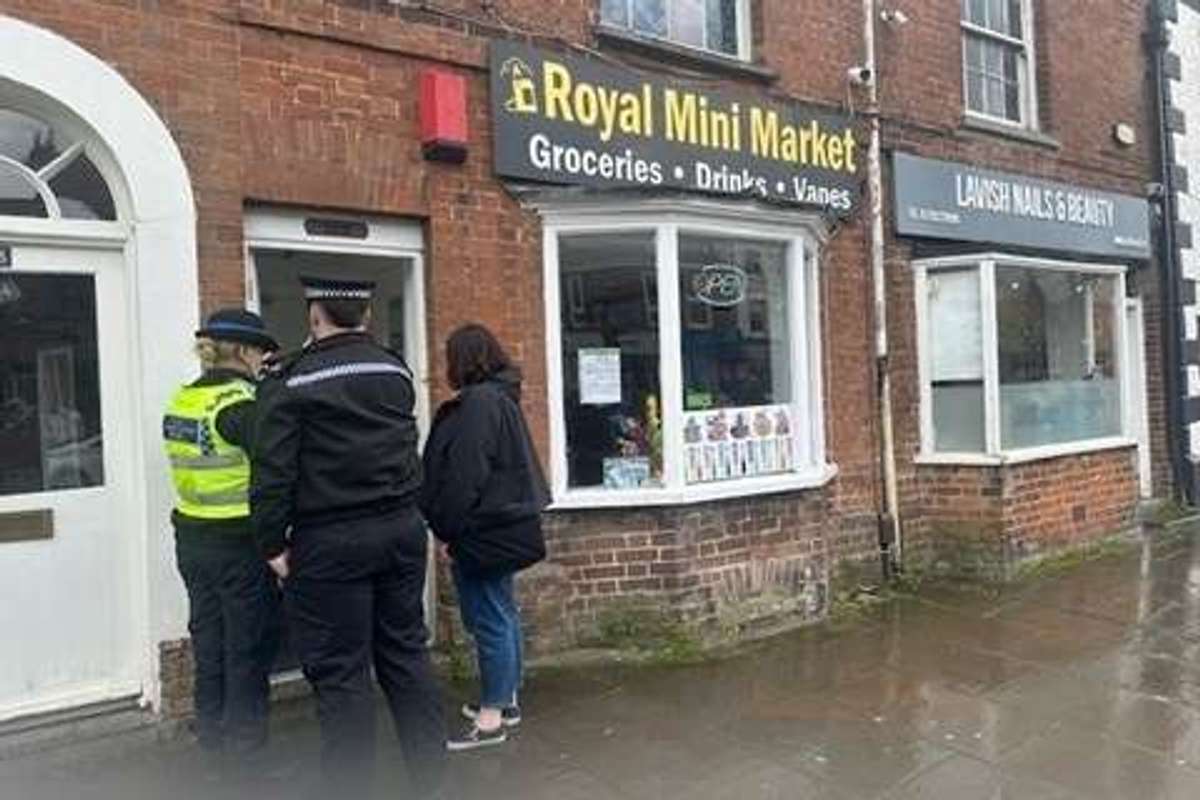

A BBC investigation has revealed the extent to which illegal drug sales operating out of convenience stores are undermining legitimate retailers, with growing evidence that organised crime is distorting competition and creating unsafe trading environments across UK high streets.
Undercover research in the West Midlands found drugs including cocaine, cannabis, nitrous oxide and prescription pills being openly offered in mini-marts, but the wider impact is being felt most sharply by compliant store owners.
Legitimate businesses reported intimidation by gangs, alongside incidents involving knife and gun violence, creating what one law enforcement source described as a “lawless” stretch of high street.
In Cradley Heath, researchers were able to purchase cannabis and later cocaine from a retail premises, with drugs reportedly supplied within minutes or delivered to the shop. Prescription medicines such as pregabalin were also allegedly offered for sale, exposing the ease of access highlights the scale of criminal activity operating within everyday retail environments.
In Lye, four shops offered the BBC investigators illegal cigarettes and laughing gas while cannabis was offered to them twice at a store called IK Convenience. A shop worker showed them illegal cannabis vapes costing £20 each.
For legitimate retailers, the consequences go beyond safety concerns. The presence of criminally run stores selling illegal products — often alongside counterfeit tobacco and illicit vapes — is eroding trust, diverting footfall and creating an uneven playing field where compliant operators struggle to compete.
Both the National Crime Agency and the Chartered Trading Standards Institute warn that organised crime groups are increasingly using shopfronts as a cover for illegal distribution networks. Analysis suggests more than 70 shops and linked premises across the UK have been associated with drug activity, pointing to a systemic issue rather than isolated incidents.
Trading Standards officials say the situation has deteriorated significantly. In Dudley, enforcement officers described current levels of illegal activity as the worst in 20 years, with repeated discoveries of drugs during raids on retail premises.
Officers also reported the use of “spotters” outside shops to warn of enforcement visits, while investigators were followed and photographed during visits, further underlining the hostile environment faced by legitimate traders.
The Trading Standards Institute wants closure orders to increase to 12 months, with an option of permanent closures for persistent offenders, John Herriman, CTSI chief executive, confirmed.
Commenting on the BBC report, Andrew Goodacre, CEO of Bira, said, "This issue has been highlighted before, and it is deeply troubling that the situation appears to be getting worse.
"The presence of criminal gangs on our High Streets is just the latest and most serious challenge facing independent retailers, and it is one that demands urgent action. No legitimate retailer should have to trade alongside criminal operations, and no community should have to accept this as normal."
Mr Goodacre added: "Tackling this requires every stakeholder to play their part. Police, Trading Standards, retailers and landlords all have a role, and we would particularly urge landlords to be far more diligent about who they are letting their premises to.
"We should seriously consider introducing money laundering checks for potential tenants as a matter of course. Criminal gangs cannot take hold of our High Streets if they cannot get through the door in the first place."