



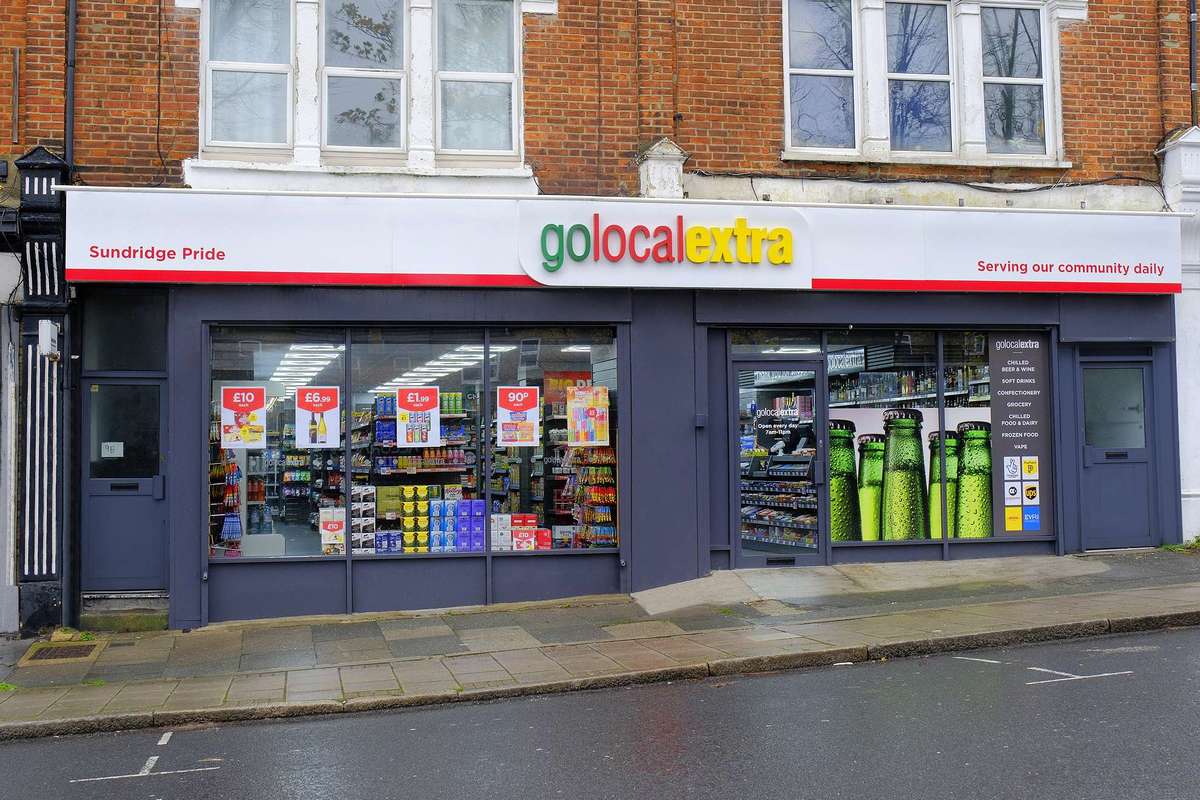

Set against a growth forecast projecting the market to reach £56.2 billion by 2030, convenience retailers face a period marked by both opportunities and headwinds.
In its latest report, IGD (Institute of Grocery Distribution) identifies five key trends driving structural change and retailer responses in the channel in 2026.
The convenience channel is expected to see a CAGR of 2.7 per cent over the next five years, lagging slightly behind the wider grocery market’s 3.0 per cent CAGR.
Declining tobacco sales will be the primary restraining factor in convenience, owing to the much greater relative scale of the category in the channel.
Five key trends steering UK convenience in 2026:
- Retailers are facing financial stress: traditional categories are declining, leading to falling sales. Rising retail operating costs are accentuating this issue, creating an unsustainable challenge for some stores.
- Symbol growth driven by B2B value: recruitment of symbol stores is key to growth for many stakeholders in the channel and groups that are offering better value are growing faster.
- Competing with specialists in food-to-go: as retailers work to grow food-to-go sales, competing for share with specialists becomes inevitable, especially as they move into hotspots, such as travel hubs.
- Quick commerce: aggregator alternatives: while partnering with the aggregators on quick commerce is effective, retailers lose transaction value and do not wholly control the customer interaction.
- Increasing, but selective, focus on price: High-profile value and price-matching activity have heightened shopper perceptions that the convenience channel is expensive.
According to the report, the multiples segment will grow well ahead of the channel average over the next five years (2.7% CAGR) fuelled by new store development from a notable range of the largest national retailers.
As a result, the segment will gain significant additional share of the channel by 2030. Symbols, though growing more slowly will also gain some share as store numbers continue to increase. This will ensure that it is still substantially the largest segment of UK convenience in 2030 with nearly 39% share.
The other segments, including Co-ops, will all see some measure of share decline. While Co-ops will still be driven by a focus on the convenience channel, regional societies, in particular, will suffer a level of attrition as competitive and commercial pressures increase, leading to the rationalisation of store estates.
Assessing the impact of these factors, the IGD Convenience trends report provides actionable insights into navigating the shifting landscape for retailers and suppliers, helping them identify where the real opportunities and challenges lie.
To combat financial pressure, the report states that retailers must work to rebalance their sales mix, developing compelling new footfall drivers, especially in higher margin fresh categories, while embracing change in areas like impulse.
Reducing costs is key to making businesses sustainable on a store-by-store basis. Technology like electronic shelf edge labels (ESLs) can reduce in-store workloads.
In terms of food-to-go, while specialists may always retain differentiation on brand engagement and recognition, convenience retailers should always reiterate their better value proposition. To win against the food-to-go specialists, convenience retailers need to match or exceed them on product choice and or quality. Developing premium or even super-premium options offers a means of bridging the gap.
To focus on pricing, retailers need to work to leverage the value inherent in the convenient aspects of convenience stores. This can offset the issue of price alone. Offering value focused around the core missions serviced by convenience stores (such as food-to-go and meal for tonight) can offer greater impact than lower prices in areas peripheral to these focus areas.
Patrick Mitchell-Fox, Insight Partner at IGD, comments, “The UK convenience channel is facing a future of mixed fortunes, with potential offset by a range of challenges. Retailers and suppliers will need to be aware of how these impact on a store-by-store and category-by-category basis.
“Secular trends in demographics and shopper behaviour will continue to create opportunities for ongoing growth in the UK convenience market.
"However, its structural over-dependence on the declining tobacco category will create headwinds that will limit growth overall.”