



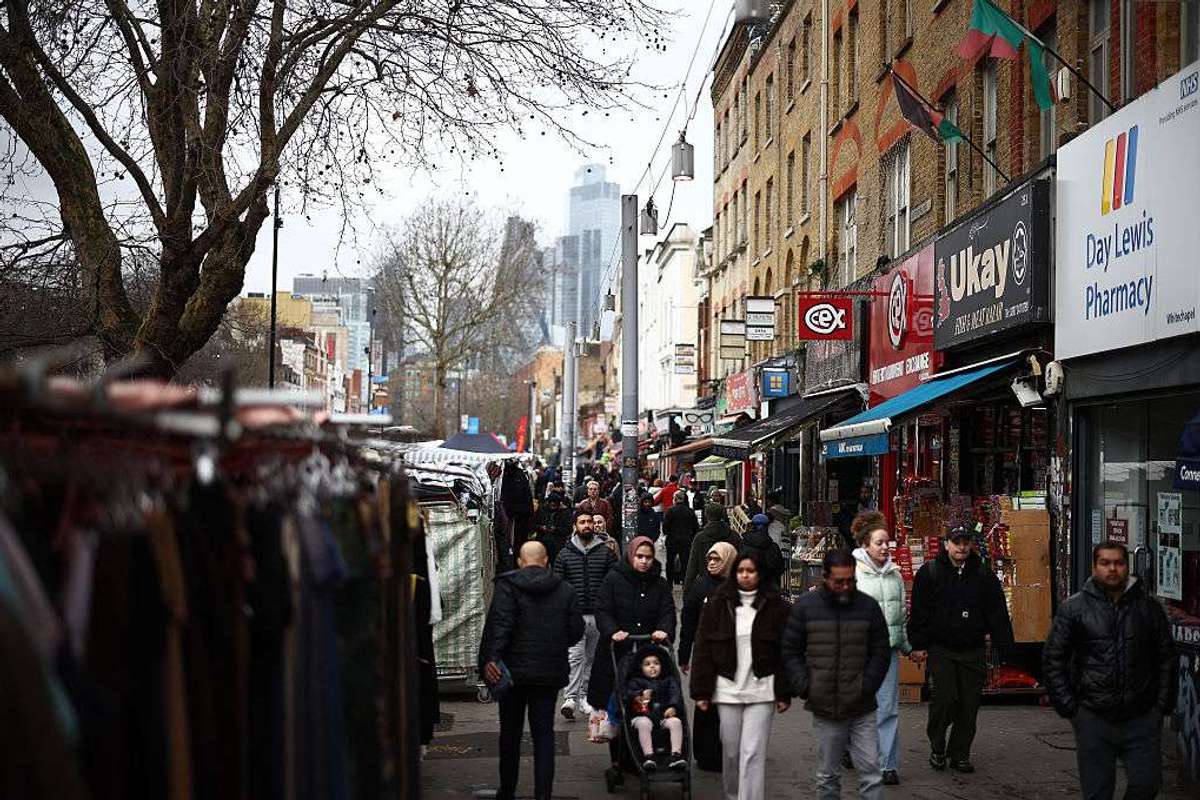

When the government announced £150 million for high streets and promised a new strategy, I was cautiously optimistic. Perhaps, finally, ministers understood that communities across Britain care about their town centres.
Then came January's business rates announcement. Pubs would receive a 15 per cent discount. Music venues too. But independent retailers? Nothing.
I stalked with Jeff Moody and John Jones, whose family has run a department store in Hereford for over 150 years, to discuss why this policy is fundamentally misdirected. I discovered only 32 per cent of pubs are actually on high streets, and although the government claims the new relief is about supporting them, the vast majority of businesses benefiting from it are not even located on those high streets.
Pubs are valuable community assets, and I spent years working in the pub sector myself. But why should they receive support at the expense of every other business? When business rates relief first started in 2019, it covered retail, hospitality and leisure. The government recognised that these sectors occupy the same space, face the same challenges, and need the same support. This new policy abandons that sensible approach for something far narrower and, frankly, politically motivated.
John Jones put it perfectly: retailers face all the same pressures as pubs – minimum wage rises, NI increases, spiralling utilities costs. But independent shops also contend with something pubs largely avoid: the retail crime epidemic. Thousands of pounds worth of stock walking out the door unpaid for, on top of all the other costs. Where is the support for that?
High street reality means 87 per cent vacancy rates in some areas, shops closing daily, and business rates at their highest levels since 2019. Ministers are reducing business rates support from £2.5 billion in 2024 to £900 million in 2026, despite Labour's manifesto promise to create a fairer system for high street businesses – but only if you are a pub.
Research from Southampton University warns that voters rank high streets as the third most important local issue. People care deeply about having places to go, to socialise, to meet, to feel safe. Two-thirds of all retail transactions still happen in physical shops. It is the fabric of community life.
Independent retailers cannot plan, invest, or sign long-term leases based on uncertain, stop-start support. They need meaningful, lasting business rates reform that creates a level playing field.
This is not about special treatment for independents. It is about fairness, consistency, and policy that matches the government's own rhetoric. Our high streets, and the businesses that sustain them, deserve better.
 Andrew Goodacre Photo: Handout