



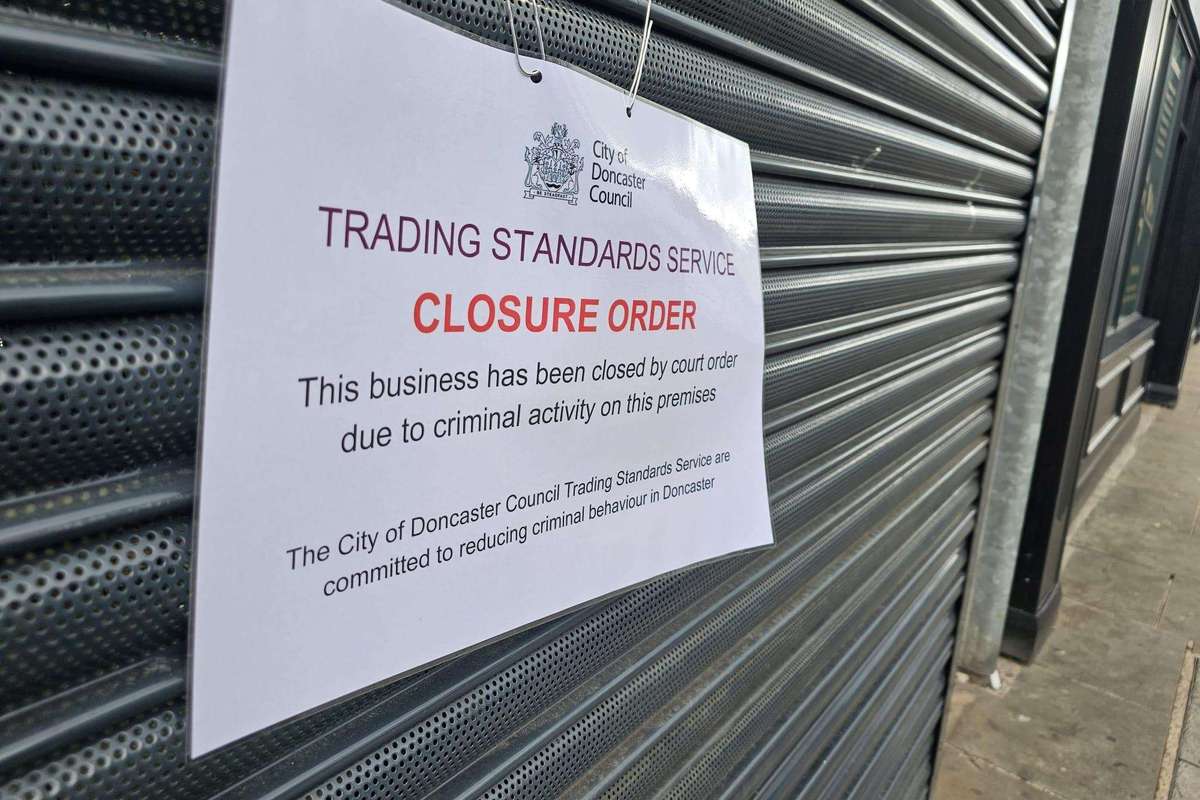

In a significant victory in the battle against the illicit trade, the Government today (June 10) announced extending closure orders to 12 months for businesses found to be selling illicit products.
Under the existing legal framework in England and Wales, authorities were severely restricted in their enforcement capabilities. Trading Standards officers could previously enforce shop closures for a maximum of three months. Even when leveraging specialized anti-social behavior legislation, the absolute limit was capped at six months.
Under the new plans, the government will double the maximum duration of closure orders to 12 months in order to give investigators more time to gather evidence, pursue prosecutions and identify the criminal bosses directing activity from behind the scenes, while also preventing rogue operators from simply reopening and resuming illegal activity.
Home Secretary Shabana Mahmood said: “High streets across the country have been hijacked by criminal gangs operating in plain sight – running vape stories, dodgy barbers, and nail salons to launder their dirty money.
"I have launched a nationwide crackdown to raid and close thousands of illegal businesses, arrest bosses and seize their dirty cash. But I will go further – introducing new laws to close these shops for good and put criminal bosses behind bars.”
The Chartered Trading Standards Institute (CTSI) has welcomed the Government’s intention to strengthen enforcement powers across England and Wales, subject to consultation. This is something that CTSI has extensively campaigned on and will help Trading Standards – and partner agencies – to close down “dodgy shops”.A recent CTSI member survey showed almost universal support for extending the duration of Closure Orders, which address one of the challenges that limits their impact. While the extension of Closure Order durations is a positive step forward, other challenges remain with their use. For example, County Councils that operate in an area that are also served by a District Council cannot issue Closure Orders, and nor are the powers available in Scotland.
In a recent CTSI members survey, just 11% of Scottish Trading Standards professionals felt that Local Authority Trading Standards services have sufficient powers to close a premises that persistently breaks the law.
John Herriman, Chief Executive at the Chartered Trading Standards Institute (CTSI), said: “CTSI welcomes the Government’s intent to strengthen enforcement powers across England and Wales, particularly regarding Closure Orders, which is an issue we have been actively campaigning on recently.
"Closure Orders are a key enforcement tool for Trading Standards Officers in tackling ‘dodgy shops’ but our members have made us aware of challenges that limit their current impact.
“Strengthening enforcement powers, including extending the duration of Closure Orders, is an important first step in addressing those issues. Stronger enforcement powers will allow officers more time to investigate criminality, will prevent criminals from using a premises to break the law and, crucially, will safeguard local communities from the serious risk these groups pose.
“CTSI is encouraged by the Government’s intent to strengthen enforcement powers, and we look forward to engaging with the consultation process to ensure the powers are as robust as possible to help crack down on criminals and safeguard local communities."
Christopher Bell, Society of Chief Officers of Trading Standards in Scotland (SCOTSS), said: “Scottish Local Authority Trading Standards services are unable to issue Closure Orders to clamp down on persistently offending shops. We would urge for similar powers to be introduced to empower those Trading Standards Officers in dealing with criminality.”