



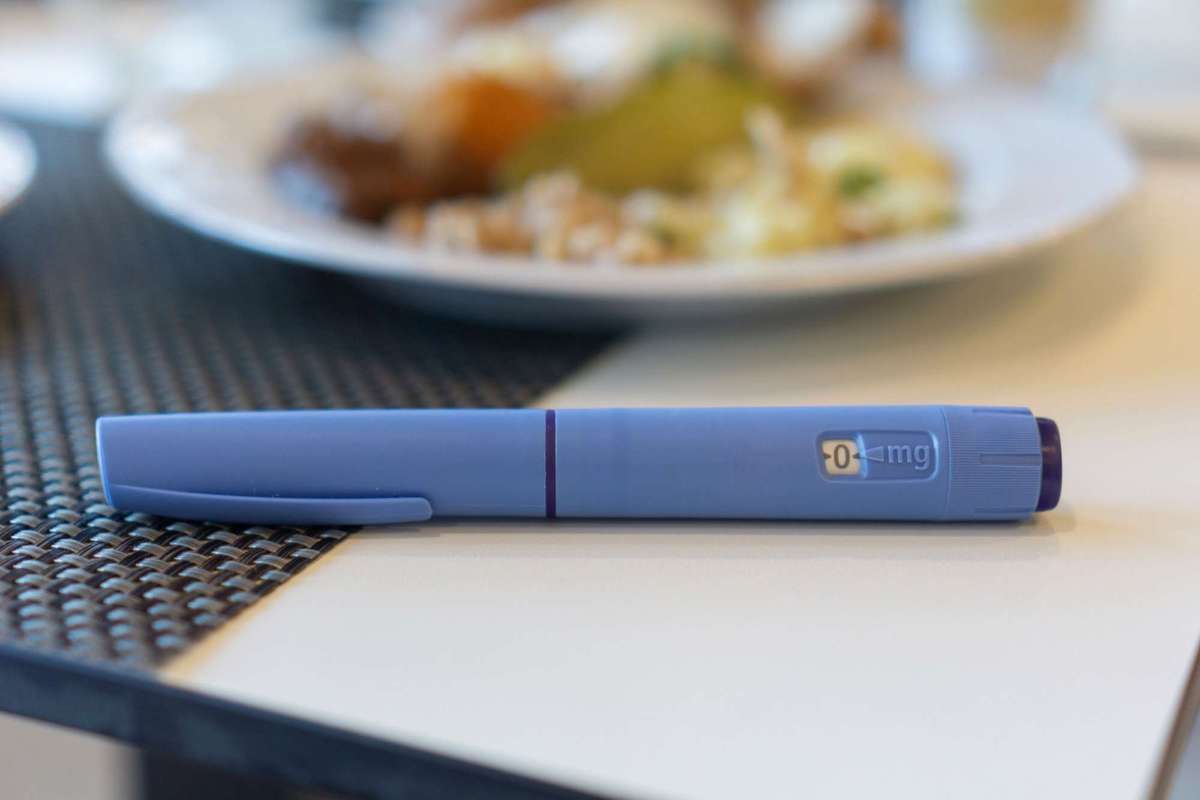

Latest research from the Institute of Grocery Distribution (IGD) and global consumer intelligence company NIQ reveals that eight per cent of individuals in the UK use GLP-1 medication, a 3.1 per cent increase over the past nine months. The share of households with at least one user has increased from 9 per cent to 12 per cent in the last six months.
The findings combine IGD consumer research with NIQ retail purchasing data to provide a picture of how GLP-1 adoption is reshaping household food and beverage consumption.
The research shows the impact extends well beyond individual users. Four in five (80 per cent) households with a GLP-1 user say the medication has had a moderate to large impact on the eating habits of other household members. Among these households, the most common behavioural shift is choosing healthier foods, with 31 per cent opting for simpler and lighter meals, 44 per cent reducing consumption of takeaways and 39 per cent choosing to reduce consuming highly processed foods. These changes point to the growing influence GLP-1s are having on food and beverage purchasing for people other than just the medication user.
Analysis of purchasing behaviour also reveals changes across supermarket categories. The macro impulse category has seen the greatest impact to date, with GLP-1 users purchasing 6.1 per cent fewer units over a 24-week period, while fresh food purchasing has remained relatively stable.
Among the categories most likely to benefit and see growth is vitamins and supplements, with 34 per cent of GLP-1 users claiming they expect to spend more on these products as they make changes to their habits and lifestyle.
Functional foods (ingredients that contain high amounts of nutritional value) may also see rising demand as NIQ found that GLP-1 shoppers significantly over-index on low-sugar and sugar-free products compared with the average consumer. Purchasing data and consumer research also points to stronger engagement with protein-rich and nutrient-dense foods, reinforcing the health-focused choices these shoppers are making, with 42 per cent of GLP-1 users reporting they are eating more protein and 34 per cent saying they are consuming more fibre.
“The impact of GLP-1 medications is a topic that is a top commercial consideration across the food and drink industry,” said Tom Wakeman, Insight Director at IGD. “With eight per cent of the UK population now taking the medication, our continuous dialogue with consumers and shoppers means we can provide rich insights into actual behaviour and trends."
Ben Morrison, Sales Director at NIQ added, “In just six months of tracking GLP-1 adoption, the share of households with at least one user has increased from nine per cent to 12 per cent. This rapid adoption highlights the growing impact of GLP-1s on consumer purchasing behaviour and the broader industry.
"As GLP-1 adoption continues to rise, retailers and FMCG manufacturers may need to rethink ranging, promotions and innovation, with demand shifting away from impulse purchases and towards products that support healthier, protein-rich and functional diets. By bringing their insight together IGD and NIQ can help the industry face this challenge head on.”