




The Food Standards Agency (FSA) is set to strengthen the food business registration system and push for the mandatory display of Food Hygiene Ratings in England, as part of a wide-ranging programme to modernise how food is regulated across the country.
Announced on 25 March, the regulator’s Future of Food Regulation programme will explore reforms designed to ensure the system keeps pace with changing consumer habits and the rapid evolution of food businesses.
The areas being explored by the programme include:
- Enhancing the food business registration system to make it more effective
- A national approach to regulation for some large businesses, which makes better use of existing data and assurance systems, alongside in-person inspections
- Improving the way the FSA provides guidance to local authorities and businesses
- Strengthening enforcement powers where necessary to enable swift, proportionate action where needed
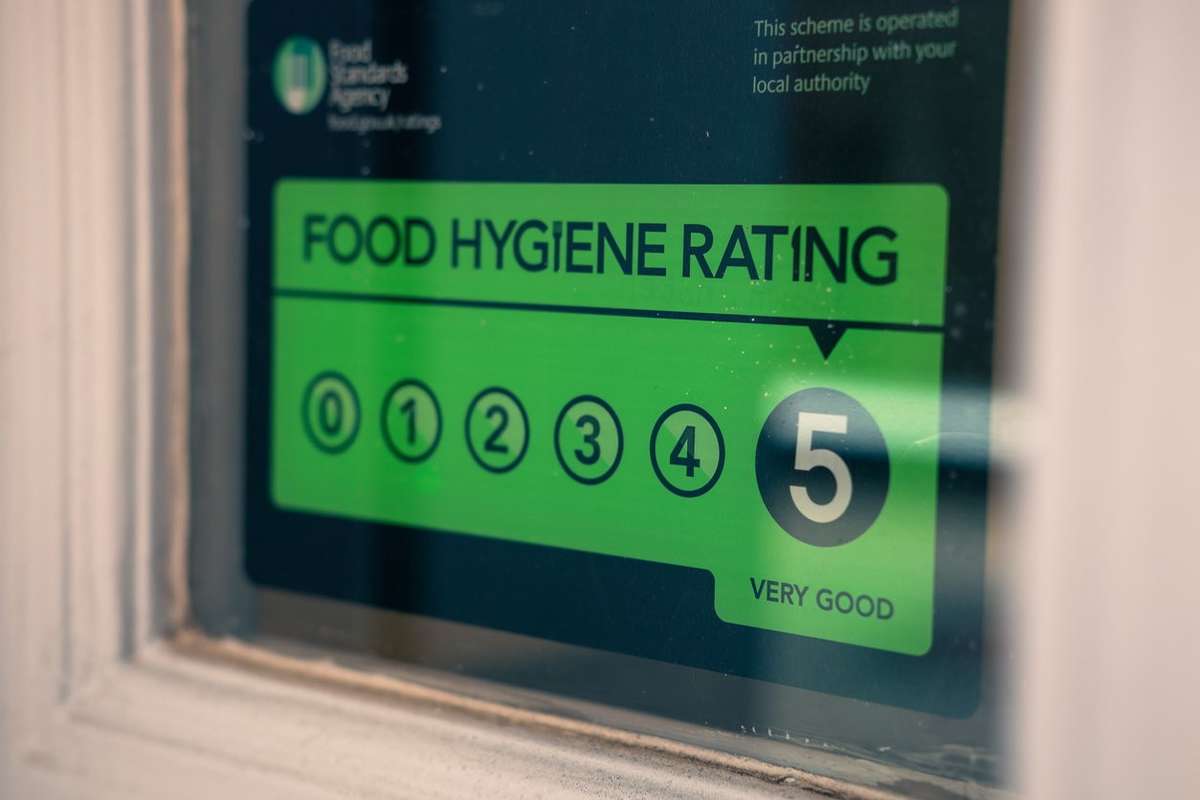
- Improving consumer information, including making the display of Food Hygiene Ratings mandatory in England, building on the trust of the scheme
While the ratings are already compulsory in Wales and Northern Ireland, display remains voluntary in England, something the FSA now wants to change to improve transparency and consumer confidence.
Professor Susan Jebb, chair of the FSA, said the reforms are aimed at maintaining trust in a fast-changing food landscape.
“Our goal is simple: everyone in this country should be able to trust that their food is safe,” she said. “The food system is changing, and we know that both businesses and local authorities are facing new challenges. We want to make sure food regulation keeps pace with that changing food landscape.”
The programme will also consider a more centralised, national approach to regulating large food businesses such as major supermarket chains. This follows a request from government in the 2025 Budget and could see greater use of shared data and assurance systems alongside traditional in-person inspections.
With government funding now secured, the FSA will begin engaging with local authorities, retailers and industry bodies to develop detailed proposals.
Jebb added that collaboration will be key: “We recognise the scale and impact of this wide set of potential policy reforms, which is why we need to work collaboratively with businesses and delivery partners.”