



The Competition and Markets Authority (CMA) and European Commission have fined three major fragrance suppliers a combined £480m for colluding over prices and commercial strategies, following investigations into anti-competitive practices affecting the supply of fragrances.
Firmenich, Givaudan and International Flavors & Fragrances (IFF), which supply fragrances used in everyday household products such as laundry detergents, washing-up liquids, cleaning products and shampoos, admitted breaking competition law, the CMA said on Wednesday (25).
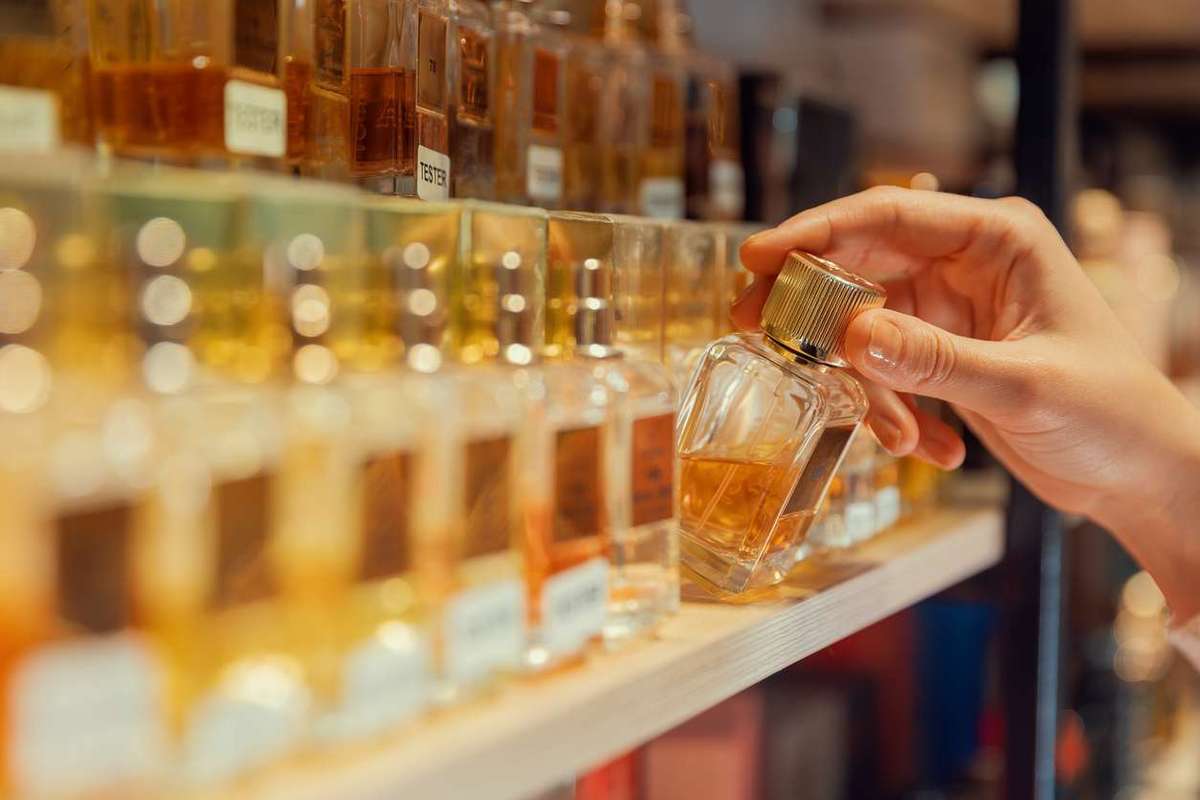
The companies also supply fragrances used in perfumes and colognes sold in UK stores and online.
The CMA found that the three suppliers coordinated their pricing and commercial strategies when dealing with consumer goods manufacturer Unilever, rather than making independent decisions.
They shared commercially sensitive information through WhatsApp messages, telephone calls and other communications, including discussions about proposed price changes and how to respond to commercial negotiations. Some of the discussions took place during in-person meetings in London described as “beer and curry” gatherings.
The investigation also found that the companies agreed not to recruit employees from each other's teams working on Unilever's account, reducing the risk of disruption to their operations and reinforcing their coordination.
Separately, Givaudan and IFF exchanged sensitive commercial information and coordinated pricing strategies more widely across their fragrance businesses.
The CMA warned that such practices can increase business costs by preventing customers from benefiting from competitively priced inputs, with potential knock-on effects on the prices consumers pay for finished products.
The regulator imposed fines of £39.96m on Givaudan, £24.57m on IFF and £20.64m on Firmenich, taking the UK penalty to £85.17m.
In a parallel investigation, the European Commission imposed a further €471.9m (£395m) in fines for cartel activity across the European Economic Area.
Givaudan received the largest EU penalty at €252.4m, followed by Firmenich with €137.7m and IFF with €81.9m.
The Commission found that all three companies exchanged commercially sensitive information, including pricing details, about their dealings with Unilever, while Givaudan and IFF also shared information about their wider consumer and fine fragrance businesses.
All three companies approached the CMA for leniency during the investigation and subsequently settled with the regulator. They received reductions of 40 per cent (Givaudan and Firmenich) and 65 per cent (IFF) on their fines for leniency, alongside a further 20 per cent reduction each for settling.
The CMA said the companies' cooperation assisted its investigation and means they cannot appeal the decision.
Juliette Enser, executive director of competition enforcement at the CMA, said suppliers must determine their prices and commercial strategies independently.
“Exchanging sensitive information with competitors can weaken competition and leave business customers facing costs. This may also have knock-on effects for consumers buying the final product, including the price they pay,” she said.
“These were major international suppliers discussing information that should have remained confidential. Today’s fines should be a clear warning for all businesses: competitors must compete, not coordinate behind closed doors.”
The CMA worked closely with the European Commission, as well as the Swiss Competition Commission and the US Department of Justice, during the investigation.