



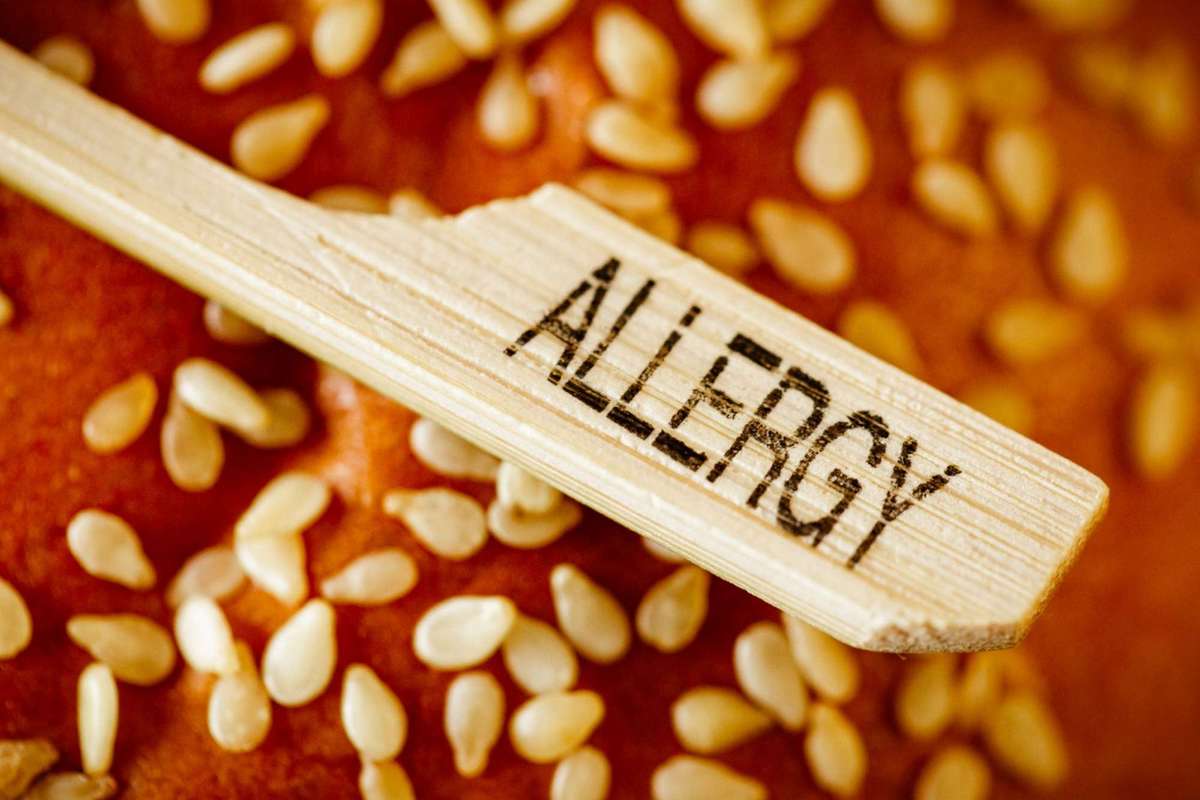

Food Standards Agency data reveals that an average of one food recall or allergy alert notice was issued every three days in 2026 – so far.
Food waste collection experts at Divert.co.uk have analysed this data to uncover what the most common recall reasons are, the most common foods to be recalled along with commentary on what happens to recalled food, the environmental impacts and how these can be reduced.
The most common reasons why food is recalled
Allergens are the most common reason why food products are recalled, with almost half (49.5 per cent) of all recall notices being allergen-related. Of these, milk was the most frequently recorded allergen, with 21 out of 48 allergens. This was followed by gluten (17 recalls) and wheat (12 recalls).
Following this, around three in 10 recall notices involved microbiological or biological contamination concerns (29 of 97), as well as foreign objects, of which there were about 1 in 10 (10.3 per cent).
However, this doesn’t mean that just because a food product has been recalled, the food is automatically unsafe for everybody. A product with an undeclared allergen may be safe for someone without that allergy, but it still cannot simply be sold or redistributed without the necessary safeguards.
Food category | Notices | Share |
Ready meals and prepared foods | 17 | 17.5% |
Snacks, confectionery and nuts | 16 | 16.5% |
Pantry and cooking ingredients | 12 | 12.4% |
Dairy, cheese and chilled desserts | 12 | 12.4% |
Bakery, cakes and biscuits | 10 | 10.3% |
Meat and poultry products | 10 | 10.3% |
Drinks | 6 | 6.2% |
Infant food and formula | 6 | 6.2% |
Fish and seafood | 4 | 4.1% |
Fruit, vegetables and plant products | 4 | 4.1% |
Total | 97 | 100% |
The most common foods to be recalled
Recalls affect everything from ready meals and snacks to everyday cooking ingredients. The most common foods to be recalled are ready meals and prepared foods, which accounted for 17.5 per cent% of all recall notices. This was followed by snacks, confectionery and nuts (16.5 per cent) and both pantry and cooking ingredients and dairy products, both taking a 12.4 per cent share of a total of 97 product recall notices.
However, one recall notice can affect multiple products, so these figures measure notices rather than the total number of food items recalled.
Food recall notices fell year-on-year
The number of food recall notices fell by 12.6 per cent, from 111 in 2025 to 97 as of October 22, 2026, based on notices issued between January 1 and October 22 in each year. This is a positive development, suggesting fewer incidents have required products to be withdrawn from sale.
However, these figures only measure the number of recall notices issued, rather than the amount of food affected. As a result, it’s unclear whether the decline in recall notices has also led to a reduction in food waste.
Food category | Notices | Share |
Ready meals and prepared foods | 17 | 17.5% |
Snacks, confectionery and nuts | 16 | 16.5% |
Pantry and cooking ingredients | 12 | 12.4% |
Dairy, cheese and chilled desserts | 12 | 12.4% |
Bakery, cakes and biscuits | 10 | 10.3% |
Meat and poultry products | 10 | 10.3% |
Drinks | 6 | 6.2% |
Infant food and formula | 6 | 6.2% |
Fish and seafood | 4 | 4.1% |
Fruit, vegetables and plant products | 4 | 4.1% |
Total | 97 | 100% |
Food recall notices fell year-on-year
The number of food recall notices fell by 12.6%, from 111 in 2025 to 97 as of October 22nd, 2026, based on notices issued between January 1st and October 22nd in each year. This is a positive development, suggesting fewer incidents have required products to be withdrawn from sale.
However, these figures only measure the number of recall notices issued, rather than the amount of food affected. As a result, it’s unclear whether the decline in recall notices has also led to a reduction in food waste.
What happens to recalled food?
Just because food has been recalled doesn't necessarily mean it will end up in landfill. What happens to it depends on why it was recalled, whether it can be made safe and which disposal methods are permitted.
- Safe recovery or reworking: If a product has been recalled because of a labelling error, it may be possible to correct the packaging and return it to sale. However, this must be approved by the relevant food safety authority.
- Alternative permitted uses: Some recalled food may be suitable for other purposes, such as animal feed or industrial processing. This depends on the reason for the recall, the ingredients and whether the alternative use is legally permitted.¹
- Organic waste treatment: Food that cannot be reused may be sent for anaerobic digestion, where it is broken down to produce biogas and fertiliser, or composting. The treatment facility must be authorised to handle the type of food waste involved.
- Controlled disposal: Where food cannot be safely recovered or recycled, it must be disposed of through an appropriate waste management facility. This could involve incineration, while landfill is generally considered a last resort. Some products, particularly those containing animal ingredients, are subject to stricter disposal rules.
Environmental impact of food recalls and how to reduce waste
By the time food reaches supermarket shelves, significant resources have gone into producing it. This includes water and energy used in farming, manufacturing, packaging, refrigeration and transport.
This means when food has to be recalled, much of that investment has been wasted. Once the recalled products have been collected, transported and treated, this will create more emissions. Adding packaging into the mix creates another challenge, as many products may be wrapped in plastic, cardboard, glass or metal. Separating these materials for recycling can be difficult, particularly when products are contaminated or cannot be safely opened.
How can businesses reduce the environmental impact of food recalls?
- Improve stock traceability: Keep accurate records of ingredients, suppliers and production batches. This helps businesses identify exactly which products are affected, reducing the risk of withdrawing more food than necessary.
- Prevent avoidable recalls: Implement regular quality control checks and accurate allergen labelling, as this can help businesses identify problems before products reach customers.
- Consider recovery before disposal: Check whether recalled food can be safely relabelled, reworked or put to another use before immediately sending it for destruction.
- Separate food from packaging: Where safe and practical, separating food waste from plastic, cardboard and other packaging can make it easier to recover or recycle materials.
- Choose appropriate waste treatment options: Work with appropriate waste contractors to identify suitable disposal or treatment methods, such as anaerobic digestion, which if permitted, can reduce the amount of food sent for disposal.
 John VerityImage: Divert.co.uk
“When consumers hear about food product recalls, they may picture a few products being taken off of the shelves," said John Verity, food waste collection expert at Divert.co.uk. "However, people often underestimate how much waste this can generate, as it isn't just the food itself that needs to be considered, but also the packaging, transport and resources that have already gone into producing it. If thousands of products are withdrawn from sale, the environmental impact can quickly add up.
“For waste operators, recalled food can be particularly difficult to manage because decisions often need to be made quickly, especially with fresh, chilled or frozen products. It's also important to remember that withdrawing a product doesn't automatically make it waste, as businesses need to establish what can legally and safely happen to it before arranging collection or treatment.
“Food waste management shouldn’t be considered an afterthought when something goes wrong. Manufacturers and retailers need to consider what would happen if they need to manage a large-scale recall, how quickly they could respond and whether their packaging would make recovery more difficult.
“Waste contractors are often left dealing with the consequences of decisions made before the product even reached customers. So, better planning could help reduce this unnecessary waste when product recalls happen.”