



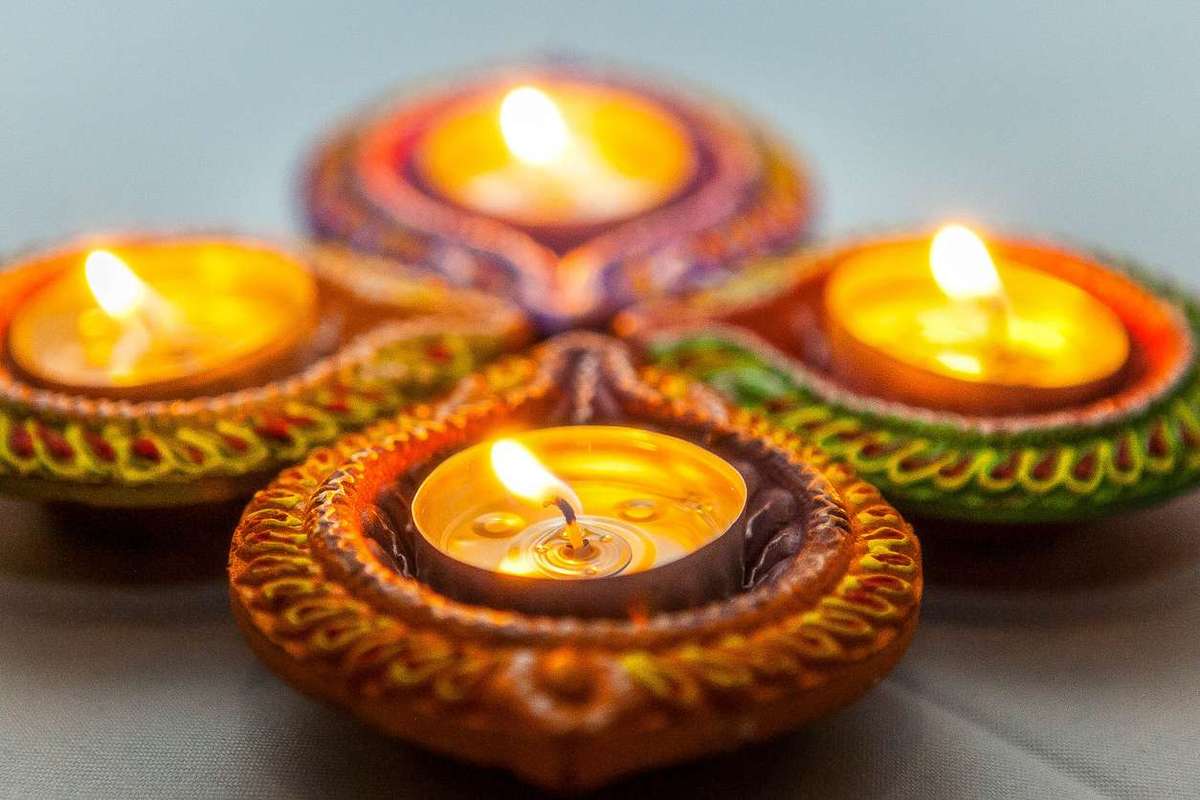

Diwali, also known as Deepavali, is the Hindu festival of lights and one of the most widely celebrated festivals across the globe. Its significance in the UK, along with its economic footprint, grows each year. Marked by joy, togetherness and vibrant traditions, it is a time for family gatherings, festive meals and the exchange of gifts.
The five-day celebration symbolises the victory of light over darkness, good over evil, knowledge over ignorance and hope over despair. Homes are decorated with oil lamps (diyas) and prayers are offered for prosperity. The main day, known as Lakshmi Puja, is dedicated to worshipping Goddess Lakshmi, the deity of wealth and prosperity.
Although predominantly a Hindu festival, Diwali is observed by other communities, each with its own significance. For Sikhs, it marks Bandi Chhor Divas (Prisoner Release Day), celebrating the release of Guru Hargobind, the sixth of the ten gurus, from imprisonment. Jains celebrate Diwali as the day Lord Mahavira attained Nirvana, while Buddhists in certain regions mark the festival by paying homage to Emperor Ashoka’s conversion to Buddhism.
It is a special time for retailers, for both professional and personal reasons. Stores experience a sales spike in categories such as rice, drinks, sweets and chocolates. From mithai (Indian sweets) and namkeen (savoury snacks) to speciality flours, spices and ready-to-eat meals, demand is high for authentic products that evoke the essence of home-cooked feasts. Gifting items such as chocolates, dried fruits, decorative diyas and fairy lights surge in popularity. Diwali also offers a chance to showcase festive drinks, sweets and cakes, and to use the retail and community-based advantages that convenience enjoys over the multiples.
This year, Diwali falls on Sunday 8 November. That places it eight days after Halloween on Saturday 31 October and three days after Bonfire Night on Thursday 5 November, creating a run of festive occasions across nine days. The overlap allows for creative cross-promotions and themed displays. Halloween and Diwali share an emphasis on sweets and treats, making confectionery a key category, and Diwali-themed sweets alongside Halloween candy and Bonfire Night essentials can boost footfall.
Where the lights shine brightest
Local celebrations stretch the calendar further, with many running well beyond the day itself and some extending into late November.
In the capital, the mayor of London has announced that Diwali On The Square returns to Trafalgar Square on Sunday 25 October, running from 1pm to 7pm. The free event opens with a dance sequence performed by 200 dancers, while the main stage showcases music, dance and performances celebrating London’s Hindu, Sikh and Jain communities, alongside vegan and vegetarian food stalls. “Diwali carries a message that speaks to us all: that light will always triumph over darkness, good will defeat evil, and compassion and goodwill can overcome division and despair,” said the mayor, Sadiq Khan.
The same day, Soho Road in Birmingham hosts the 10th annual Birmingham Diwali Mela, a free street festival running from 12 noon to 7.30pm with live stage entertainment, shopping stalls, fairground rides and a festive lights switch-on.
Leicester, regarded as home to the largest Diwali celebrations outside India, marks the festival on Sunday 8 November. The first decorative lights went on display along Belgrave Road in 1983; today, 6,500 lights stretch along Belgrave and Melton Roads, with around 50 separate events spread across the city over a two-week period, all ending in a firework display. The sari and jewellery shops of the Golden Mile come to life, and the city’s food has earned it the title of England’s Curry Capital.
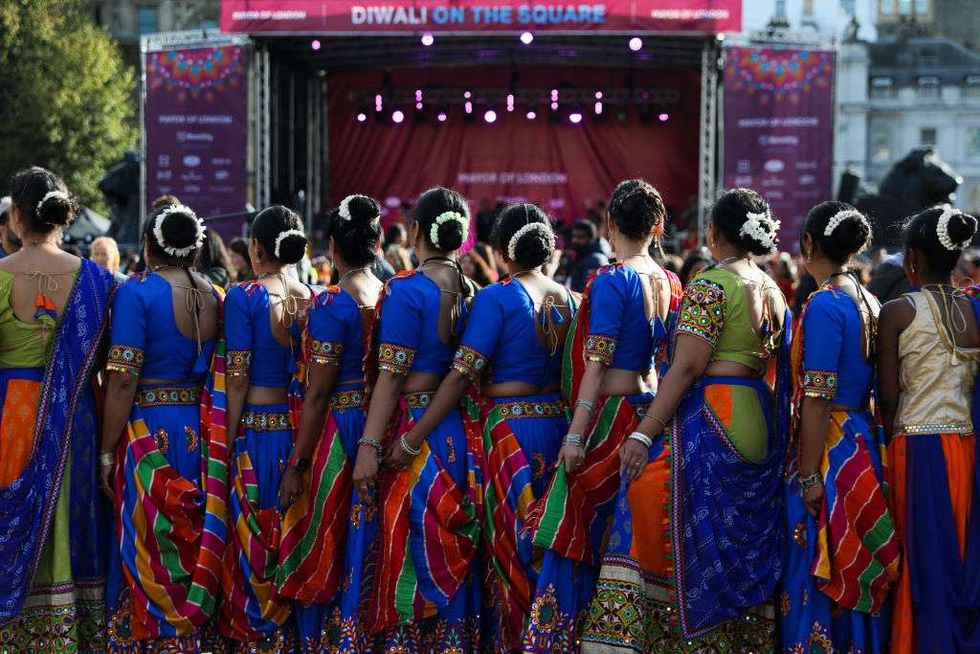 People gather to celebrate Diwali at Trafalgar Sq on October 27, 2024 in London, England. Photo by Alishia Abodunde/Getty Images
Manchester’s celebrations are varied and spread across October and November. The 17th Manchester Dussehra & Diwali Mela, hosted by the Indian Association Manchester, took place at Exchange Square on 10 and 11 October, with Bollywood dance, an illuminated lantern parade and food and craft stalls. Community events continue, including a free evening of music, dance and crafts at Manchester Museum on 4 November, while Bollywood and bhangra club nights around Diwali weekend and a Diwali Ball on 14 November cater for the party crowd.
Further north, Edinburgh Diwali takes place on Sunday 15 November. The free festival begins with a parade led by the Lord Provost from St Andrew Square to West Princes Street Gardens, and finishes with a fireworks display. It marks the start of the city’s Winter Festivals. In Northern Ireland, Belfast Diwali – “One Light, Many Cultures” – takes place at Belfast City Hall on Saturday 28 November, with Indian food, music and dance.
For retailers, the message is that Diwali is rarely confined to one weekend. Customers in different parts of the country will be celebrating on different dates, and the local calendar is worth checking when planning stock, displays and promotions.
Rice at the heart of the table
Few products are as closely associated with Diwali feasting as rice. “Rice is at the heart of Diwali celebrations, with biryani a firm favourite on festive tables,” says Anna Beheshti, head of marketing at Tilda. “At the same time, we’re seeing more shoppers become confident exploring different global flavours and cuisines at home, with World Foods continuing to appeal beyond its traditional shopper base.”
Tilda is the UK’s number one rice brand, with retail sales now worth £125.5 million, growing 0.4 per cent in value and 0.8 per cent in volume [Circana]. It is bought by one in four UK households, and has recruited more than 250,000 new shoppers in the last year [Kantar]. The brand accounts for 22 per cent of dry branded rice value sales.
The festival changes how people shop. “Diwali shoppers are often preparing more food and cooking for larger groups, making it an important occasion for stock-up and trade-up,” Beheshti says. “With family and friends coming together to celebrate, shoppers may also be buying larger pack sizes and putting more into their cooking, creating an opportunity for retailers to cater to bigger shopping missions.”
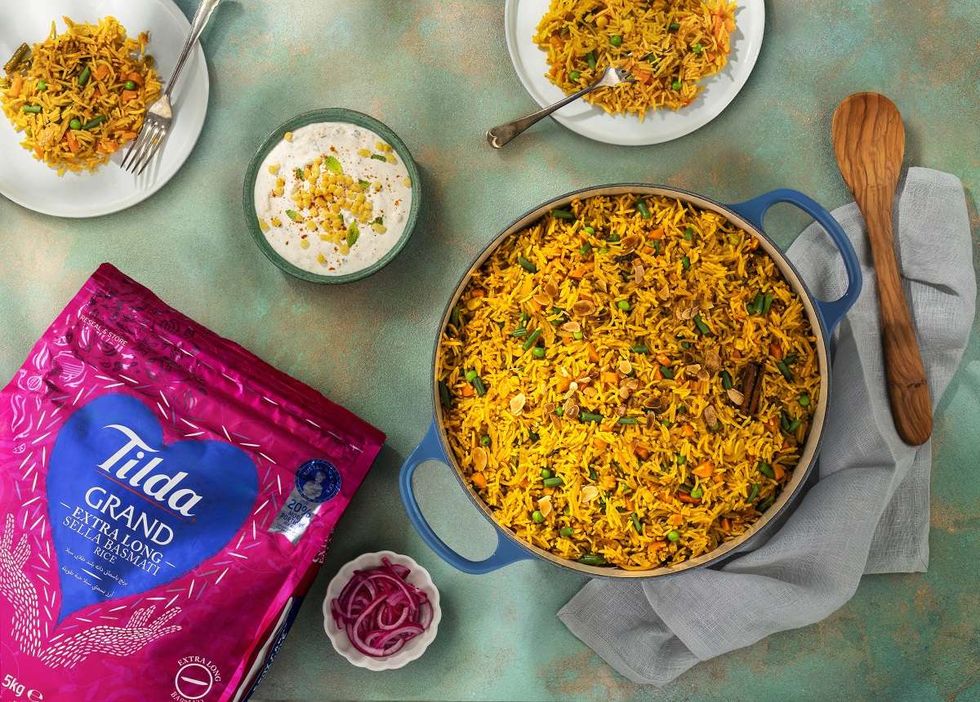 Photo: Handout
She adds: “Quality, authenticity and trusted brands are particularly important at Diwali, when shoppers are preparing multiple dishes and want reassurance that the products they choose will deliver.”
In convenience, Tilda points to its Pure Basmati, which is the number one dry rice SKU in both its 500g and 5kg formats and is a Great Taste Award winner. “Tilda Pure Basmati should be a key part of every Diwali fixture,” Beheshti says. For those cooking to impress, there is Tilda Grand. “Tilda Grand is also perfect for those occasions when you want to impress family and friends. Its extra-long grains cook into beautifully separate, fluffy rice every time, making them ideal for one-pot dishes such as biryanis and pilau.” The range is now also available in PMPs, priced at £8.96 for 5kg, £16.96 for 10kg and £29.96 for 20kg.
Convenience shoppers also want shortcuts. “Cooking up a Diwali feast often means juggling multiple dishes, which is where Tilda’s Ready to Heat range comes in handy,” Beheshti says. “With more than 27 varieties, and ready to serve in just two minutes, it offers a range of flavours and formats for shoppers looking for quicker meal solutions without compromising on taste.”
Beheshti also urges retailers to look beyond the festival itself. “Diwali is a great opportunity for retailers to drive sales, but the strongest opportunities are with products that continue to have relevance once the festival is over.”
Oil for a bigger cooking occasion
If rice is the centrepiece, the oil that cooks the rest of the feast is just as important. “Diwali brings a significant spike in home cooking,” says Ria Joyce, managing director of Edible Oils Ltd, the joint venture of ADM and Princes that makes Pura. “South Asian households return to cooking from scratch for the festival, from mithai and savouries to larger family meals, creating a sharp increase in demand for cooking oils.”
Timing is critical. “Shopping typically begins three to four weeks ahead of the festival, as consumers start planning meals, preparing for get-togethers and stocking up on the ingredients they need,” Joyce notes. “Building stock and visibility early is therefore critical to capturing the full opportunity.”
Pack size is the other lever. 5L cooking oil plays a key role during major religious occasions, including Diwali, when shoppers, particularly those from Indian communities, are more likely to seek larger, value-led formats to support increased home cooking and hosting. “This reflects a clear change in the shopping mission,” Joyce says. “Consumers are not simply buying oil for their everyday meals; they are buying for bigger cooking occasions, larger households and more people around the table.”
Pura’s qualitative research also highlighted two factors increasingly important at the point of purchase. “Shoppers are reading packs more closely. They want to understand what they are buying and whether it is right for their cooking needs, with health cues such as Omega 3 helping to build relevance and confidence,” Joyce says. The second is provenance: “For shoppers in these communities, clear provenance can be an important reassurance, with ‘UK Manufactured’ messaging helping to reinforce quality and trust.”
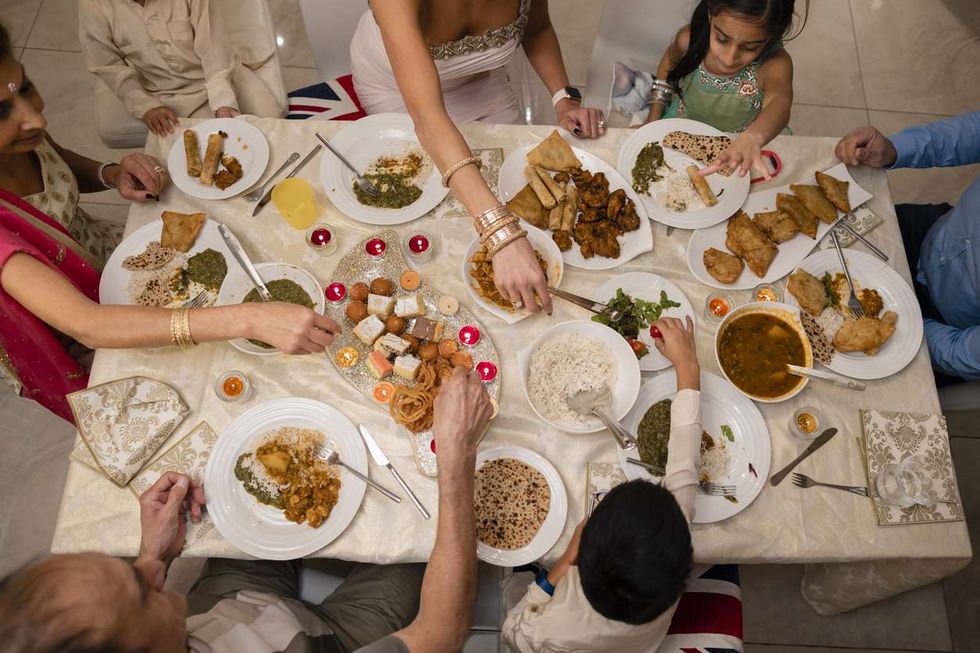 Photo: iStock
Joyce is keen to stress that the everyday shop still matters. Cooking Oils accounts for approximately 70 per cent of all volume sold within the wider Oils category, and the 1L format is, in her words, “the year-round heartbeat of the cooking oils category”. Some 72 per cent of buyers purchase only the 1L, so it should be permanently ranged, available and visible. But the 28 per cent of shoppers who buy larger pack sizes account for over half of all Cooking Oils sales. “Larger formats become particularly important around seasonal events, when shoppers are cooking more, entertaining more and looking for greater value. If larger formats are not ranged, retailers risk missing out on these significant spikes in demand.”
Her advice is to stock both. “While these bigger packs often see a sales uplift during festive periods, smaller 1L and 3L formats continue to play an important role as convenient top-up purchases. They help shoppers replenish supplies during the celebration period while remaining practical for everyday use once the festivities are over.”
Pura’s 5L range offers Sunflower Oil for “samosas, pakoras, bhajias and other fried savouries”, Vegetable Oil for “curries, chana masala, biryani and larger-batch family meals” and Pomace Oil for “sautéing, roasting and a variety of rice, vegetable and curry dishes”.
The brand has recently undergone a significant refresh, with new packaging across a portfolio that includes Sunflower Oil, Vegetable Oil, Rapeseed Oil and Pomace Olive Oil in 1L, 2L, 3L and 5L formats. The relaunch followed extensive consumer research among South Asian shoppers across key UK cities. The new design carries Omega 3 and Vitamin E messaging and prominent “UK Manufactured” communication. Looking ahead to Diwali 2026, Pura will place particular emphasis on its 5L formats.
The Diwali opportunity, Joyce adds, stretches back well before the festival. “The Diwali opportunity starts well before Diwali itself, with hosting, entertaining and cooking building across a season that begins with Raksha Bandhan and Janmashtami, continues through Ganesh Chaturthi, Durga Puja and Navratri, and culminates in Diwali.”
Gifting, sharing and the tin that stays
Sharing and gifting are the two key shopping missions at Diwali, according to Jo Harwood, chief sales and trade marketing officer at Fox’s Burton’s Companies (FBC). “Much of Diwali sales can be attributed to gifting purchases, with Global Data reporting that celebrations at home with family increased by nine per cent last year, highlighting the importance of strong gifting offers.”
That makes sweet biscuits a natural fit. “Products that offer shareability and sociability, like sweet biscuits, are a must stock for retailers looking to boost basket spend, as they offer shoppers an easy way to cater for groups while encouraging larger and more occasion-led purchases for gifting throughout the festival,” Harwood says. Sweet biscuits see a value uplift of 4.1 per cent during the Diwali period.
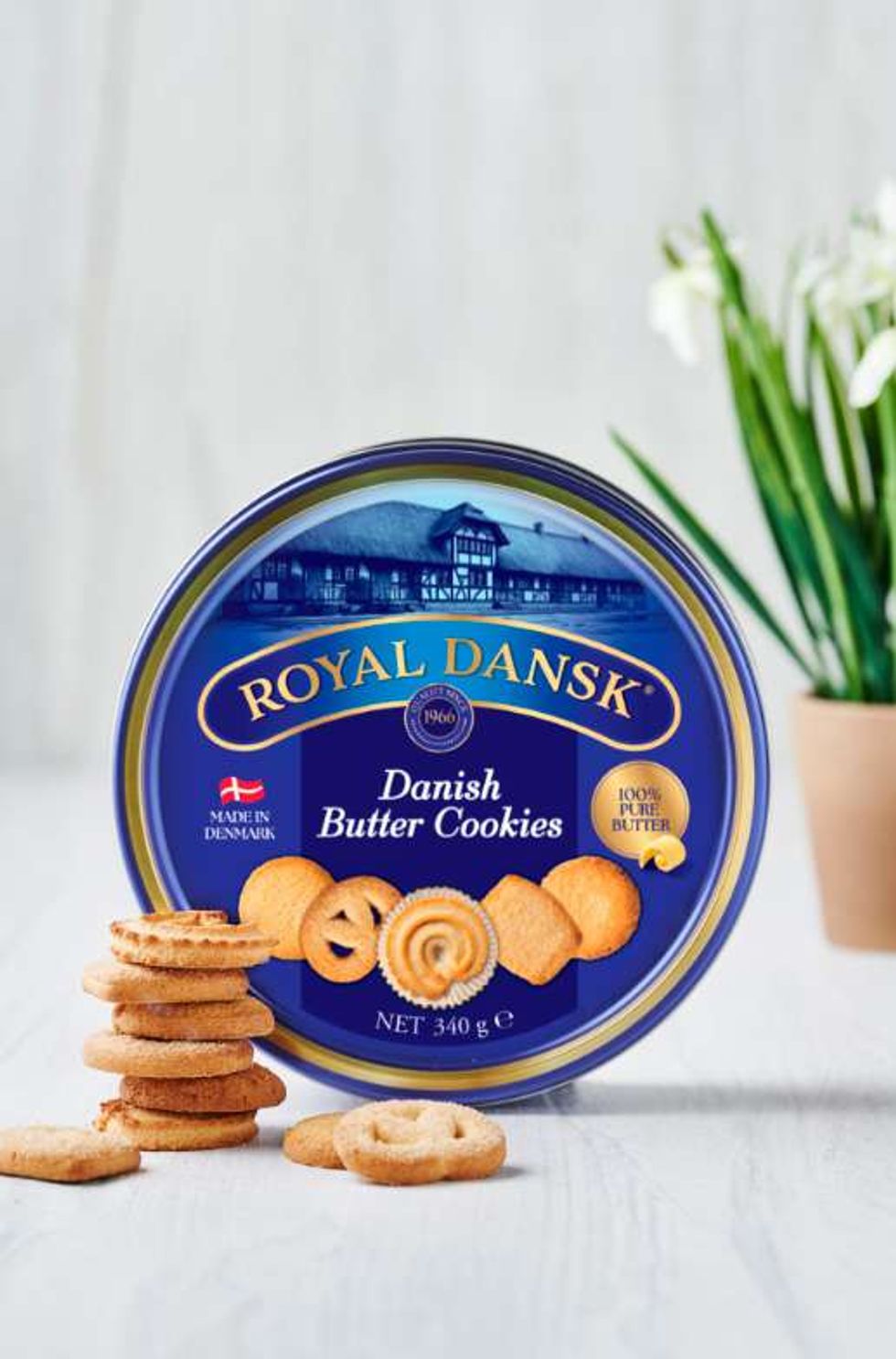 Royal Dansk butter cookiesPhoto: Handout
For the gifting need state, Harwood points to Royal Dansk. “Tinned biscuits such as Royal Dansk serve the gifting need state perfectly, offering shoppers both a recognisable gifting format and a lasting keepsake.” The brand is now the UK’s number one Danish butter cookie brand, worth £1.6m and growing 63 per cent, and is sold in tins of up to 454g, “making it perfect for gifting and sharing occasions”. The wider butter cookies market is growing 45 per cent year-on-year, which she said “offers retailers an opportunity to build seasonal sales while retaining relevance beyond Diwali”.
Sold in its iconic blue tin, Royal Dansk achieves a 94 per cent uplift in sales when featured for cultural events, and it saw 449 per cent year-on-year growth during Diwali 2025 compared with Diwali 2024.
Authentic over generic
For Shezad Aslam, managing director of Aagrah Foods, the biggest shift is a move away from broad labels. “Diwali shoppers are moving away from generic ‘Indian’ as a catch-all and looking for specific, authentic regional flavours they can trust,” he says.
“There’s a clear appetite for restaurant-quality cooking at home this festival, driven by the same cost-of-living pressure that’s fuelling the wider Big Night In and fakeaway trend. Rather than eating out to mark the occasion, more households are recreating a proper festive spread at home, which means retailers who can offer genuine depth and provenance in their World Foods range, not just breadth, are the ones who’ll capture that spend.”
Founded by the Aagrah Restaurant Group, the family-run Yorkshire institution established in 1977, Aagrah Foods makes award-winning Kashmiri-inspired cooking pastes, alongside chutneys, spice blends and marinades, and breads and snacks including naans and poppadoms.
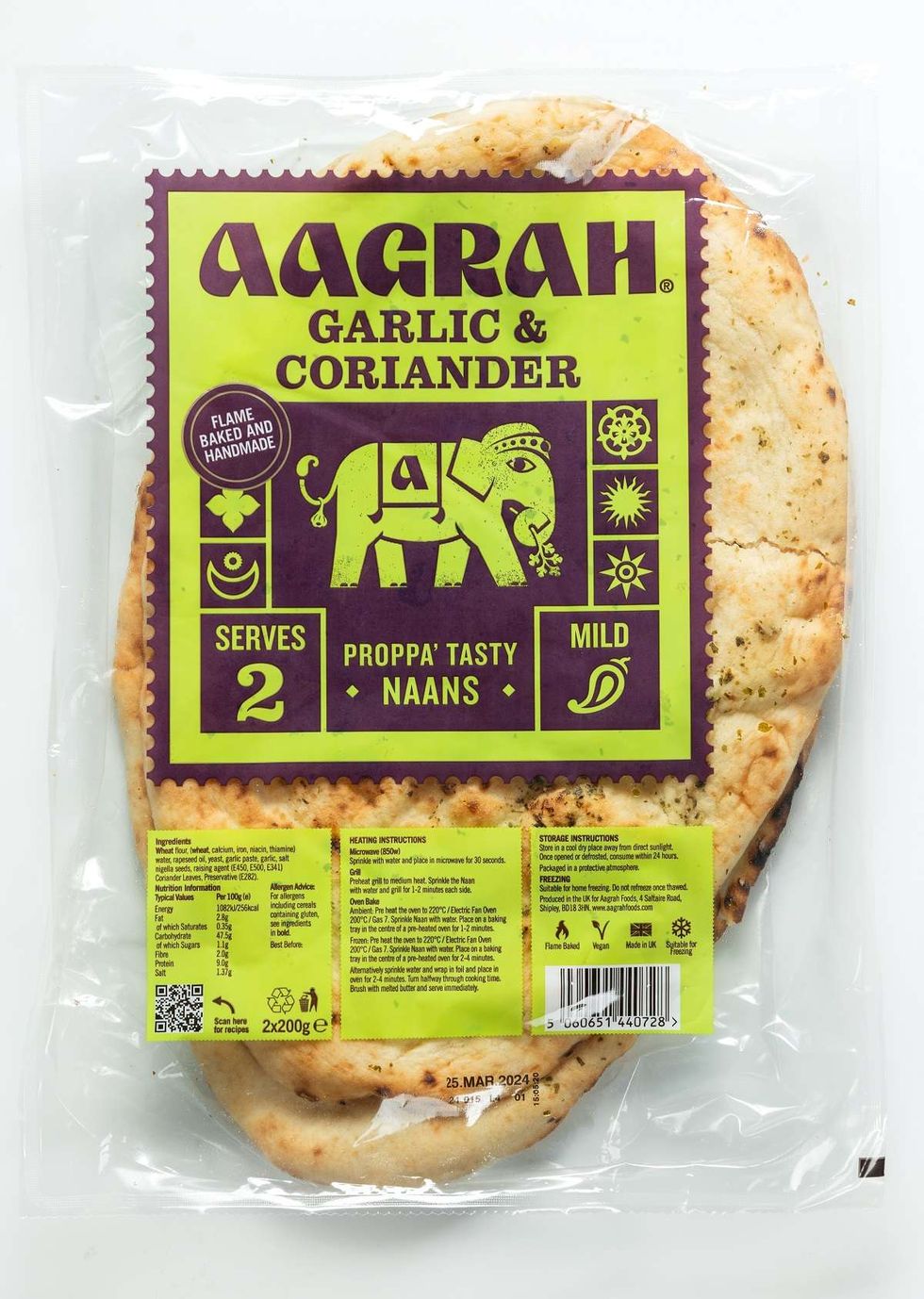 Aagrah Garlic and Coriander NaanPhoto: Handout
Aslam explains why the range works in convenience: “Cooking pastes and sauces do particularly well, because they let a shopper build an authentic, restaurant-standard dish quickly without a cupboard full of individual spices. Poppadoms and snacks work as easy festive sharing food, while chutneys and pickles round out a table without requiring any additional cooking.”
The common thread, he says, is the problem they solve. “All of these suit convenience because they solve the same problem: a shopper wants an elevated, authentic result on a night when time is short and the stakes, with family and guests around the table, feel higher than usual.”
On the innovation front, Aagrah has recently launched on TikTok Shop and is building out festive-occasion bundles there. “We’re also developing an exciting new chilled range extension, which we’ll be able to share more detail on in due course,” Aslam says.
Flavour beyond curry night
Another sign of how South Asian flavours are moving into the mainstream comes from Westmill Foods, which has joined forces with South Asian street food brand Urban Rajah to launch a new generation of sauces. The aim is to take South Asian flavours beyond traditional dishes and into everyday eating occasions.
The partnership combines Westmill’s South Asian food heritage, including household names Rajah spices and Elephant Atta, with a challenger brand. Urban Rajah’s Buroti range has grown value sales by 838 per cent year-on-year and expanded into more than 1,000 Tesco and convenience stores. Now the two businesses are moving beyond food-to-go with a range of multi-application condiments: Smoky Jalfrezi Ketchup, Herby Mint & Coriander Mayo and Naga Chilli & Mango Hot Sauce. The idea is summed up as “Cook – Coat – Dip”, and the 250ml bottles carry a £3.50 RSP.
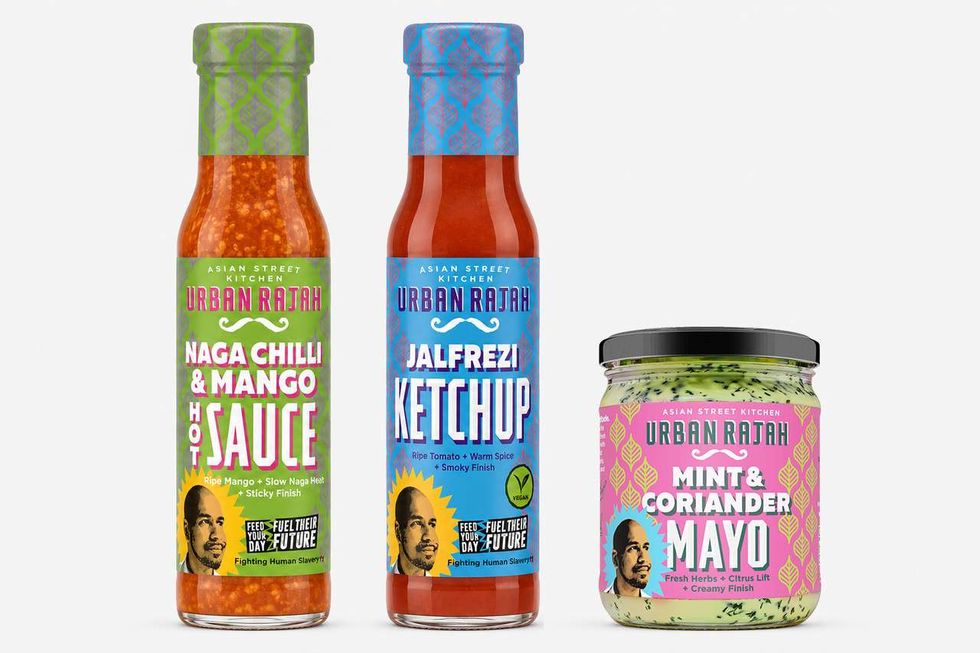 South Asian cuisine is reaching new audiences through diverse regional dishes, street food and contemporary food formats. Photo: Urban Rajah
“South Asian flavour has outgrown curry,” says Ivor Peters, founder of Urban Rajah. “Curry isn’t disappearing – it’s the starting point, not the destination. We’ve already seen with Buroti that consumers are hungry for these flavours in new formats. Now we want Jalfrezi waking up breakfast, Mint & Coriander Mayo getting all over loaded fries and Mango & Naga turning up the heat on tonight’s dinner.”
Chris Craig, managing director of Westmill Foods, adds: “Westmill has been part of the UK’s South Asian food story for generations. Urban Rajah has already demonstrated that consumers are embracing these flavours in new formats and occasions. Combining that creativity and momentum with our heritage, category expertise and scale gives us an exciting platform to help shape the category’s next chapter and reach more consumers, more often.”
The consumer backdrop supports the thinking. Independent research by Qulture Qanvas found that 88 per cent of consumers prioritise flavour intensity, while only around one in five believe supermarkets currently bring flavour, health and convenience together. The range was unveiled on 15 September at South Asian Re-Mixed, hosted by Urban Rajah and The Meals Collective at The Chesterfield Mayfair. “We’re not reinventing ketchup, mayo or chilli sauce,” Peters says. “We’re reinventing what you can do with them.”
Raising a glass
Diwali is also a time for gifting something special, and a limited-edition whisky is among the more premium options this year. Indri, India’s premium single malt, has unveiled its Diwali Collector’s Edition 2026 Ruby Port Cask, the fourth edition in an annual limited release. The whisky is produced in the village of Indri, Haryana, near the foothills of the Himalayas, and was crafted in small batches from indigenous six-row Indian barley by master blender Surrinder Kumar. It is matured in hand-selected Ruby Port casks from Portugal and bottled at a cask strength of 58.5 per cent ABV, with aromas of black cherries, wild berries and ripe plums.
“The Diwali Collector’s Edition pushes the boundaries of Indian single malt, while staying true to what makes it distinctly Indri, and has been consistently recognised in international awards,” says Kumar. “This year’s Ruby Port Cask expression offers a new dimension, drawing on the depth and character of Portugal’s wine casks, shaped by the unique climate here at Indri. The 2026 release brings together whisky and artistry in a collector’s masterpiece celebrating heritage, craftsmanship and the spirit of modern India.”
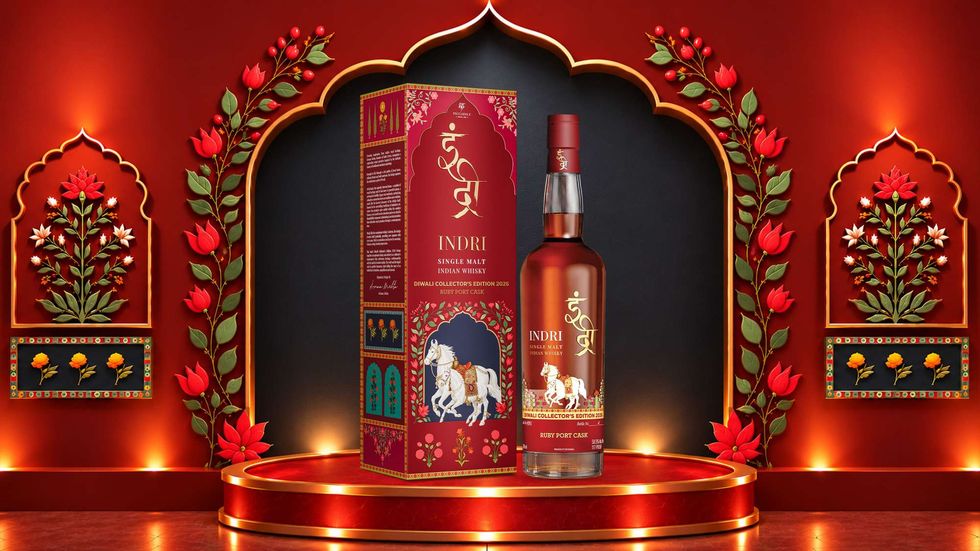 Indri's Diwali edition single malt 2026 Photo: Piccadily Agro Industries Ltd
The packaging carries artwork by Indian designer Krsnaa Mehta, drawing on India’s royal heritage and traditional miniature paintings. Since the first edition launched in 2023, the collection has won 29 awards. The 2025 Marsala Cask release was named Best World Whisky at the Las Vegas Global Spirits Awards 2025 with a score of 99.1 points out of 100, and received a Gold medal at The Design & Packaging Masters 2025. The 2026 edition has already received six awards, including Gold at the World Whisky Masters and the New York World Spirits Competition. It is limited to 180 individually numbered bottles in the UK, with an RRP of £200.
At a very different price point, The Straw Hat is making the case for rosé beyond the summer months. The leading British wine brand has added a Mediterranean Style Rosé to its range, available to retailers from 19 October with an RRP of £6 (10.5 per cent ABV). Made in Britain using imported Mediterranean grape juice, it takes its cues from the style of Provence rosé, with a pale blush profile and an easy-drinking character that suits autumn lunches, festive get-togethers and weekend entertaining.
“This is the first NPD to launch in the range for several years, putting Provence-style rosé firmly on the table as an all-year-round wine, and moving it beyond its traditional summer associations into the wider repertoire of everyday drinking and social occasions,” says Amy Giacobbi, marketing manager at The Straw Hat. “The launch of The Straw Hat Mediterranean Style Rosé comes at a time when the rosé category continues to offer retailers an opportunity to trade consumers up through taste, presentation and style, while maintaining the approachable price points that drive volume. The average price of French rosé in the UK off trade is £11.70, with some brands selling units for much more.”
It is backed by a campaign including social media, PR and trade advertising.
Winning the festive fortnight
Where suppliers agree most strongly is on how independents should compete. “The multiples have the scale, but independents have something equally valuable during Diwali: relevance,” says Joyce.
Aslam agrees: “Independents know their community and that’s the advantage the multiples can’t replicate. Local knowledge of what a Diwali shopper actually wants, personal relationships built up over years, and the flexibility to stock the more niche SKUs that wouldn’t earn shelf space in a national planogram all count for a great deal.”
Start early, stay in stock. “Retailers should start getting their rice range in place well in advance, making sure popular lines are well stocked before shoppers begin their main festival shop,” says Beheshti. Joyce urges retailers to steal a march: “Major grocers tend to feature cooking oils four to six weeks before an event, so consider featuring even earlier to encourage shoppers to buy before they have seen it elsewhere.”
Aslam says not to treat the festival as a single day. “Stock and merchandising should be planned across the fortnight either side of the date, because shoppers are cooking and entertaining throughout that window, not just on the night itself.”
Build a destination. “A dedicated Diwali fixture in a high-footfall area can bring together key products such as rice, lentils, flour, ghee and spices, while cross-merchandising can help inspire complete meal solutions and encourage additional purchases,” says Beheshti.
 Fireworks to mark the beginning of the Festival of Diwali illuminate the sky over BAPS Shri Swaminarayan Mandir Neasden Temple on October 31, 2024 in London, England.Photo by Leon Neal/Getty Images
Aslam recommends a “dedicated festive fixture” that makes “a real difference, ideally positioned so it’s the first thing a shopper sees rather than tucked away in the World Foods aisle”, with “clear, confident signage rather than generic ‘Diwali’ bunting that doesn’t tell the shopper anything about what’s actually in the range”.
Joyce says a seasonal display “should create a moment of discovery and inspiration for shoppers”, with rangolis, Diwali-inspired POS and recipe cards. She suggests retailers consider “a permanent festival feature space, whether in aisle or on end, that can be refreshed and updated for each occasion”.
Match the effort to the community. FBC’s Harwood says that “the scale of the activation should reflect the local customer base: retailers serving a significant South Asian community should feature a more prominent seasonal fixture, while others can still draw attention to relevant products within the occasion through tactical POS and shelf strips.”
Think in baskets. “Given independent retailers have more say as to how they can range their store when compared to multiple grocers, it’s also worth noting the importance of cross-merchandising sharing formats with complementary products such as tea, coffee or cooking ingredients,” Harwood says. “This can help shoppers to build their baskets around the occasion, rather than treating Diwali as a single-category purchase.”
Protect the premium. Aslam also had a warning on price. “Resist the temptation to discount authentic, premium World Foods brands to drive festive volume. It might lift a day’s sales, but it teaches shoppers the ‘quality’ story was negotiable, which undermines the trust that got them buying it in the first place.”
The final word goes to Joyce. “Ultimately, the retailers who recognise that the festive season starts long before Diwali and plan their range, stock and visibility accordingly, will be best placed to capture the full opportunity.”