




Discount retailers are set to become the UK’s fastest-growing physical grocery channel by 2030, posing an increasing challenge to convenience retailers as shoppers continue to prioritise value-led purchases.
According to report by IGD released on Wednesday (May 13), the discount channel is forecast to exceed £50 billion in value by the end of the decade, delivering a compound annual growth rate (CAGR) of 3.5 per cent. Analysts say the growth is being fuelled not only by cost-conscious consumers but also by aggressive investment in store expansion and network upgrades by leading discounters.
That strategic emphasis is clear in 2026 plans, with the two market leaders in the channel committing substantial capital to expansion, logistics and store modernisation.
Aldi is investing £370m in 40 new store openings in 2026, forming part of a broader £1.6bn two-year investment programme as it works towards a long-term ambition of 1,500 UK stores.
The discounter is targeting underserved catchments as well as high-footfall urban sites, with a particular focus on increasing its London presence.
Alongside new openings, Aldi is also beginning to trial a “globally unified” store format developed for Aldi Süd markets, designed to be modular and adaptable across different building types. While this is unlikely to have an immediate impact on suppliers, it could in the longer term.
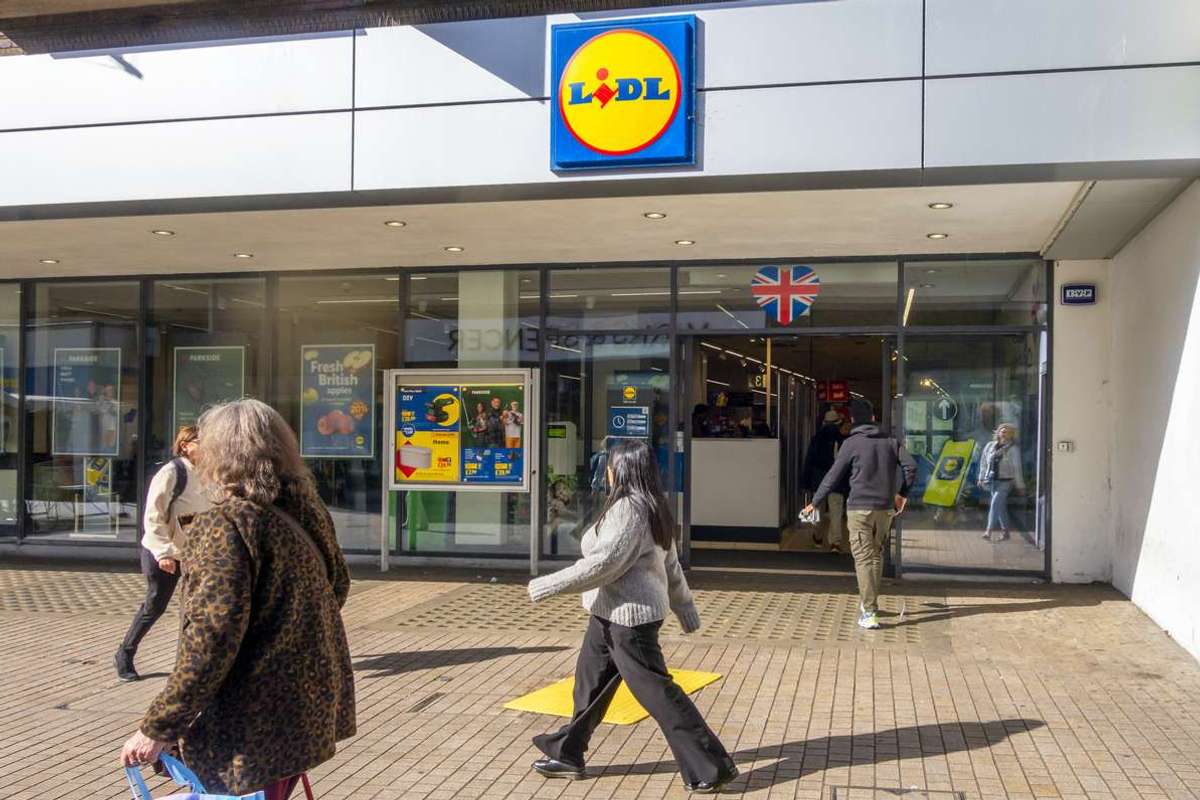
Lidl’s plan is similarly ambitious. With more than 1,000 stores now trading in country, it has committed over £600m to strengthen its UK infrastructure and open more than 50 new stores over the next 12 months.
As well as expanding the estate, the investment supports the capabilities required to service a broader network, including a new regional distribution centre in Leeds and further investment at its Belvedere site in London.
For the wider market, this matters because the battle for growth is increasingly a battle for sites: retailers that can secure prominent, high-footfall locations will be best placed to capture incremental trips as shoppers continue to prioritise value.
Property rules are also becoming a point of contention. The Groceries Market Investigation (Controlled Land) Order 2010 restricts designated large grocery retailers from using certain land agreements that can prevent competing grocers from opening nearby.
Aldi and Lidl have historically not been designated under the Order, reflecting the way their limited-range model was viewed when the rules were first introduced.
However, with discounters now competing directly for mainstream baskets and prime locations, several major retailers have argued that the current exemption creates an uneven playing field. The Competition and Markets Authority (CMA) is reviewing whether Aldi and Lidl’s designation should change, with a provisional decision likely in July and a final ruling in September.
It’s not only grocery discounters that are scaling up. Variety discounters such as Home Bargains and B&M are continuing to expand their footprints as well, supported by consumers’ sustained focus on value and by the availability of second-hand space in some high streets and retail parks.
Looking ahead, three developments will shape the next phase of UK discount growth:
- the pace at which Aldi and Lidl can secure high-footfall sites, especially in urban areas
- the outcome of the CMA’s review and whether it changes how discounters can use land agreements
- the extent to which high street restructuring releases sites that can be reconfigured for modern discount formats