



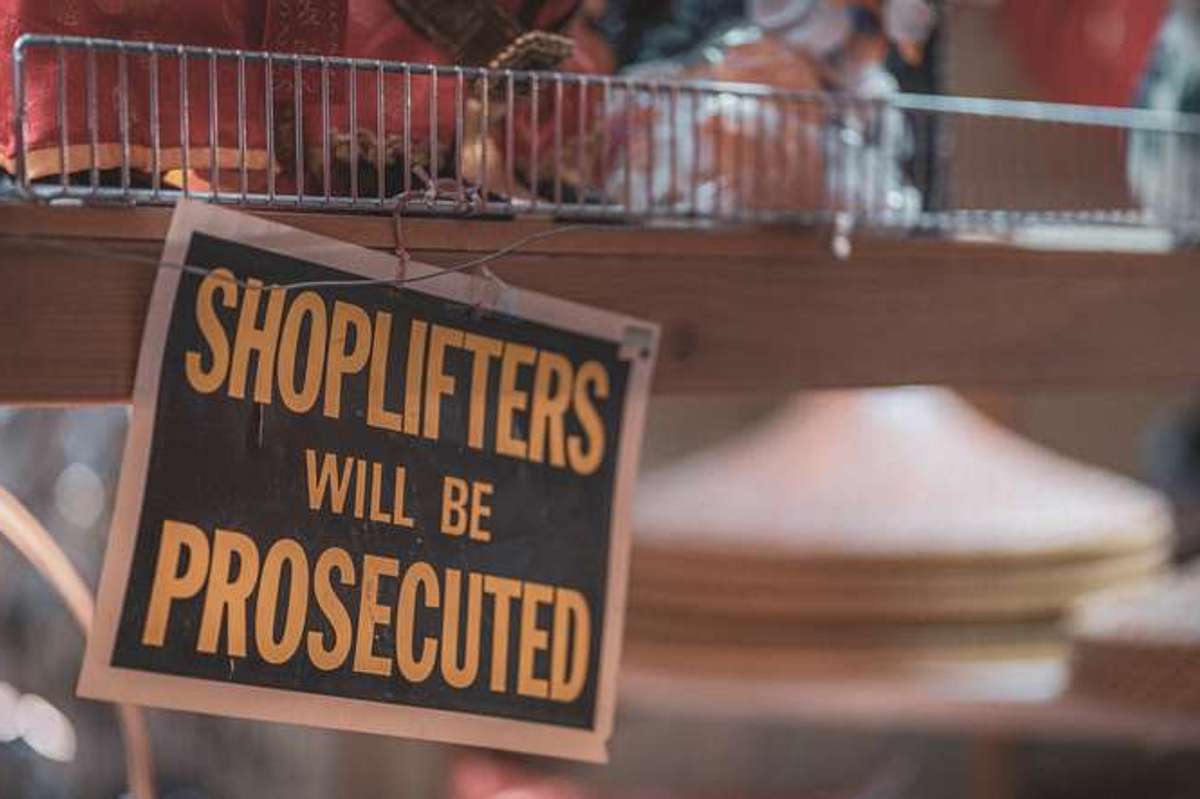

Croydon Council is set to trial electronic tagging for prolific shoplifters later this year, in a move that could make it the first London borough to use GPS tags to monitor repeat offenders.
Croydon's elected mayor Jason Perry told BBC that he hopes to launch the pilot within the next couple of months, with the council currently working with the Metropolitan Police and the local court system on how the scheme would operate.
Under the proposed scheme, prolific shoplifters could be fitted with lightweight GPS ankle tags, allowing police to monitor whether they enter shopping areas from which they have been banned by the courts.
Perry said the trial would initially be used to assess how effective the approach is before considering whether it should be rolled out more widely.
“It's a tagging system that essentially is put on the individual,” he said. “It's run through the police and the local court system so we're working with both of those at the moment. We're doing it as a trial period to see how well it works, before we think about rolling that out any further.”
Retailer backs plan
The proposal has received cautious support from Freshfields Market owner and managing director Benedict Selvaratnam, who said his family-run grocery business deals with two or three shoplifting incidents every day.
Selvaratnam, who is also co-founder of the Croydon Business Association, said the thefts cost the business hundreds of pounds a day, with wine, coffee and chocolate among the products frequently targeted.
He said his staff regularly attempt to recover stolen goods, but confronting shoplifters can expose them to abuse, aggression and violence.
“We do challenge shoplifters and say look we need this back, and at that point it's 50-50 whether they give it back or not,” he said. “If they do, it's fine and they leave, and if not then it can be abuse, it can be aggression, it can be violence and it can be very disheartening to be on the back end of that.”
Selvaratnam described the proposed tagging system as “a great idea” for identifying repeat offenders and ensuring there are consequences.
However, he warned that tagging alone would not solve the problem.
“To make the GPS tracking work there really needs to be the enforcement,” he said. “They just can't be an expensive ankle bracelet.”
Lessons from Sussex
The proposed scheme follows a similar initiative introduced in East Sussex last year by Sussex Police and Crime Commissioner Katy Bourne.
A small number of prolific shoplifters were fitted with GPS ankle tags, which monitored whether they entered shopping areas they had been banned from by the courts.
Sussex Police said the pilot had helped prevent 100 shop thefts, saving an estimated £5,600 in police costs and £28,300 in wider criminal justice costs.
The force said the GPS tags cost between £275 and £400 each, although individual forces may negotiate different rates.
Croydon Council said reported shoplifting in the town centre had fallen over the past year, from 5,043 offences to 4,796.
Perry attributed the reduction to a range of measures, including live facial recognition cameras introduced in the borough earlier this year and a public space protection order, which he said had reduced antisocial behaviour by 24% over three years.
However, Labour councillor Janet Campbell said more detail was needed on how the tagging proposal would be funded and implemented.
“We feel as though the people of Croydon deserve more than a proposal,” she said. “What they deserve is some detail as to how this is going to happen, where the funding is going to come from, and will he have the power to fulfil this proposal.”