



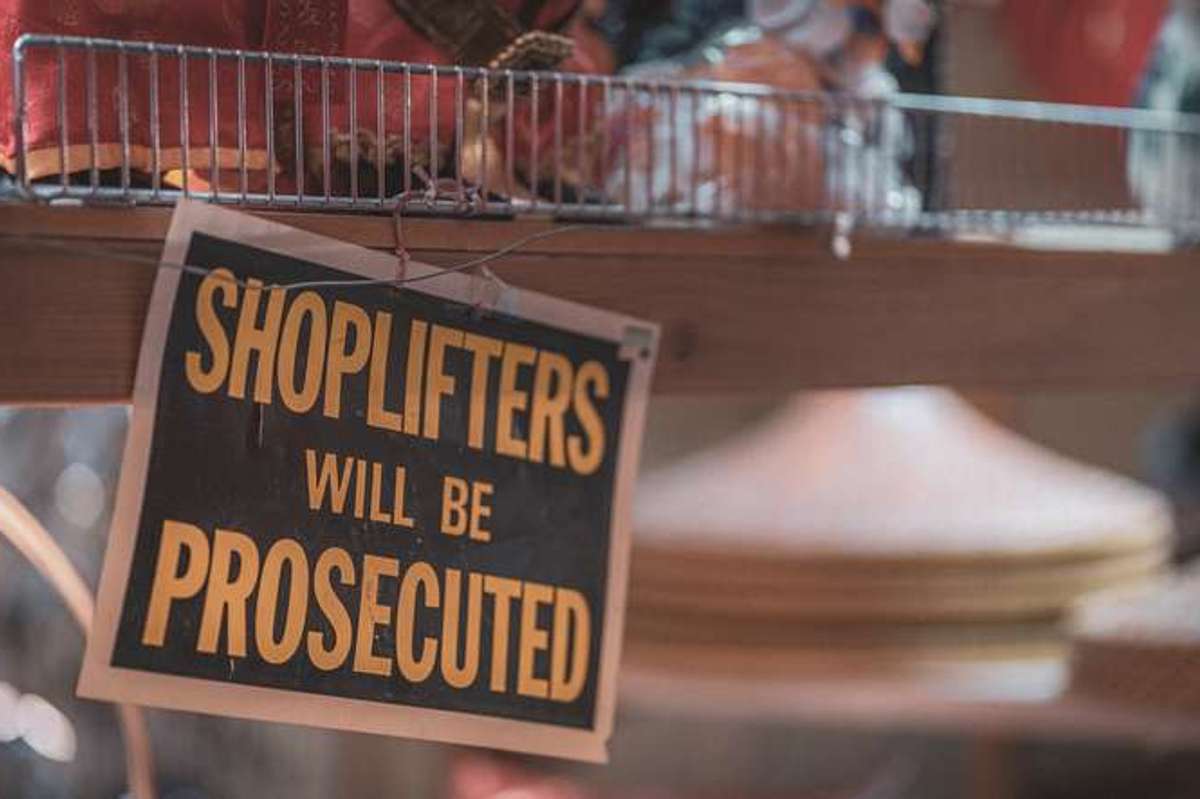

Retailers in Birmingham have welcomed a new government pilot to tackle repeat shoplifters, saying smaller businesses have been struggling to absorb the financial losses and protect staff from increasingly aggressive offenders.
The West Midlands is among 16 police force areas selected for a 12-month, £2.5 million government pilot targeting around 500 of the country’s most prolific retail offenders. The measures could see persistent shoplifters fitted with GPS tags and banned from high streets in an effort to prevent them from repeatedly targeting businesses.
For small grocery stores, which often lack the security budgets and financial resilience of larger retailers, the announcement has been welcomed as a long-overdue intervention.
Amjad Farook, who runs Wah Wah Mirchi grocery store in Birmingham, said shoplifters were targeting his business almost every week, costing him thousands of pounds His staff have also faced violence when confronting offenders.
“One member of our staff got attacked the other week and he was bleeding, it wasn't a nice thing. It is a worrying thought for my staff,” Farook told BBC.
He advises employees not to physically challenge shoplifters, but to make offenders aware that they are being watched. However, he said this does not always prevent incidents from escalating.
Farook, who has run the store for 20 years, said the response from police had changed over time. Retailers are now often advised to report incidents and obtain a crime reference number.
“Now unfortunately with the high number the police tell us to report it, register it, get a crime number on it and that's it. That's the sad part,” he said.
He added that larger retailers could afford security and absorb some of the cost of stolen goods, whereas independent stores had far fewer resources.
Mani Gill, vice-chair of the Soho Road Business Improvement District (BID), said shoplifting had become a daily occurrence and was increasingly affecting businesses along the Birmingham high street.
Most businesses represented by the BID are small operators, making the financial impact harder to absorb, he said.
“For them it’s harder to digest because their pockets aren't as large,” Gill told BBC, calling for the government to address the underlying causes of offending and ensure that action in one area did not simply displace the problem elsewhere.
The government said the pilot would focus on offenders responsible for a disproportionate share of shop theft. Alongside restrictions on their movements, it will examine the drivers of offending, including drug and alcohol addiction.
The announcement follows a BBC investigation which found that 270 suspects were linked to 28,415 recorded offences between 2020-21 and 2025-26.
The wider retail sector has also backed the pilot. Simon Roberts, chief executive of Sainsbury’s, described retail crime as a “national emergency” requiring a coordinated response from government and police, with targeted action against prolific offenders.
Helen Dickinson, chief executive of the British Retail Consortium, said retailers welcomed the pilot and supported robust enforcement alongside targeted help to address the causes of offending.
For independent shopkeepers such as Farook, the challenge is not just the value of goods disappearing from shelves. Repeated theft, the threat of violence and the pressure on staff are adding to the burden of running a small business.