



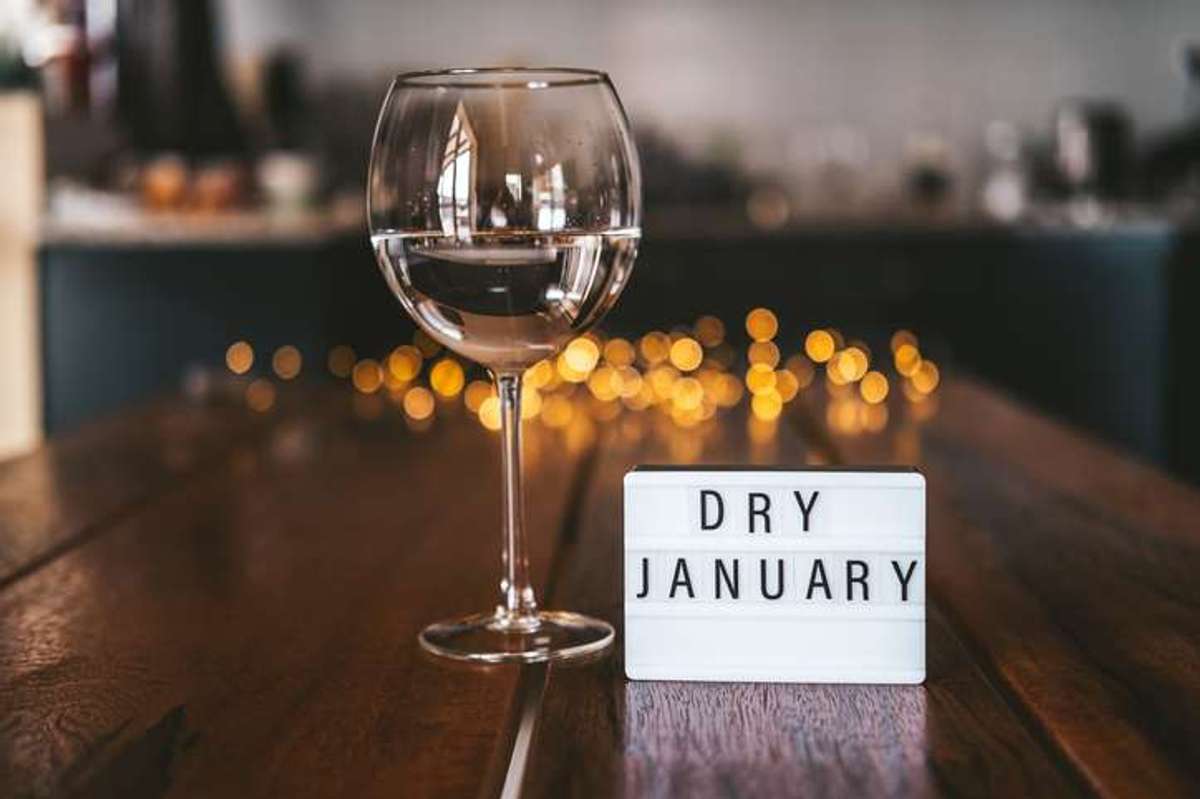

Dry January is losing momentum, with moderation emerging as the preferred choice for many shoppers rather than complete abstinence, a shift that convenience retailers should note as alcohol sales stabilise earlier in the month.
Waitrose said it had seen a “significant softening” of the Dry January trend, with customers buying more alcohol than in previous years and breaking their pledges of abstinence earlier. In January 2022, the retailer’s alcohol sales were on average 42 per cent lower than other months. This year, that gap narrowed to 25 per cent.
“Damp is the new dry as customers move away from the ‘all-or-nothing’ mentality and instead look towards more mindful moderation,” The Times quoted Pierpaolo Petrassi, head of beers, wines and spirits at Waitrose, as saying.
The shift has been most visible in wine. Compared with the same period last year, sales of Argentinian wines rose 25 per cent, while Chilean wines were up 27 per cent. Online searches echoed the trend, with searches for “red wine” up by almost two-thirds.
Waitrose data shows January 12 as the tipping point, when the highest number of shoppers abandoned their dry spell. Alcohol sales rose 11 per cent in the following week as wines, beers and spirits returned to baskets.
Consumer research supports the trend.
A survey by Attest found that 27 per cent of UK adults planned to give up alcohol completely for Dry January this year, down slightly from 29 per cent in 2024. However, 31 per cent said they intended to cut back rather than stop altogether, suggesting a reset mindset without full abstinence.
Petrassi said: “The no and low trend skyrocketed in 2022 as the result of transitioning out of the final lockdowns, as well as the ‘sober curious’ movement going mainstream on social media. Now, 2026 is the ‘lifestyle’ year, with customers finding balance as part of a more tempered, year-round approach to drinking.”
This comes as, on February 1, another alcohol duty rise came into force, adding to increases introduced since the alcohol duty reform in 2023. Higher-strength wines have been hit particularly hard, leaving the UK with the highest duty rate in Europe for a standard bottle of red.
The Wine and Spirit Trade Association has warned that producers and retailers have little choice but to pass costs on.