



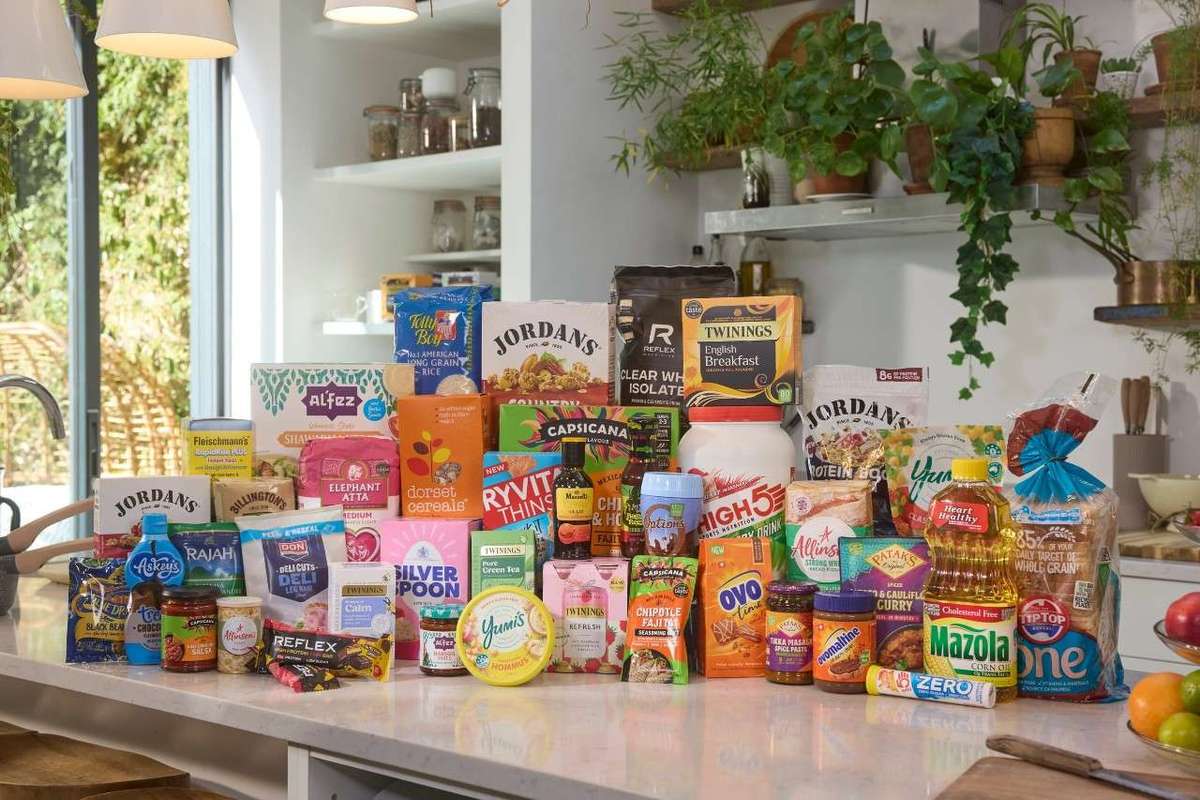

Associated British Foods (ABF), the owner of grocery brands including Kingsmill, Twinings and Patak’s, has reported modest first-quarter grocery growth but warned that tougher US trading conditions are expected to weigh on full-year profits.
In the 16 weeks to 3 January 2026, ABF’s Grocery division delivered £1.385 billion in revenue, up 0.7% at a constant-currency basis, as trading came in broadly in line with the estimates the group published on 8 January.
However, ABF said its Food businesses experienced “mixed trading,” particularly in the US where consumer demand has continued to weaken. The group noted that in its cooking oils and bakery ingredients businesses the impact has been “more acute than anticipated,” leading it to take a more cautious view on the outlook. As a result, ABF now expects both its Grocery and Ingredients segments to deliver adjusted operating profit for the full year moderately below last year, with the impact in Grocery more significant in the first half due to phasing.
ABF’s Sugar division revenue totalled £675m for the period, down 6.9% year-on-year on a constant-currency basis, a larger fall than the earlier estimate (around -5%). Ingredients revenue slipped 2.1% on a constant-currency basis to £667m, while Agriculture revenue fell 4.1% to £521m.
At group level, ABF reported revenue of £6.759bn, down 0.9% year-on-year on a constant-currency basis.
Primark: UK outperforms, Europe remains weak
Meanwhile, the group’s largest business, Primark, saw comparable sales declining by 2.7%, with UK like-for-like growth of 1.7% outperforming other markets. Primark’s like-for-likes fell 5.7% in Europe, while total sales in the US grew 12% amid what ABF described as a volatile trading environment.
“In a challenging consumer environment, our focus is on factors within our control, including initiatives now underway in Europe aimed at improving performance,” George Weston, Chief Executive of Associated British Foods, said earlier this month.
ABF said Primark’s sales growth in the first half of FY26 is now expected to be in the low single digits, with profitability impacted by higher markdowns used to manage inventory.
Robyn Duffy, Consumer Markets Senior Analyst at RSM UK, said today’s numbers reinforced the challenges facing the wider group, with “US consumer weakness… more acute than expected, particularly in grocery and ingredients, prompting a downgrade to full-year profit expectations and weighing on first-half performance.”
Duffy added that with Primark generating more than half of ABF’s profits, the group remains highly sensitive to discretionary spending trends, and argued the latest update “sharpens… the strategic question… of whether Primark should continue to sit at the centre of the group or whether separating retail from food would deliver greater clarity and resilience for investors.”
ABF in November indicated that it could spin off Primark to better serve its main food business. Announcing its annual results, the group said a review already underway “may lead to the board deciding to undertake a separation of the Primark and Food businesses.”
Meanwhile, the UK competition regulator has recently fast-tracked its inquiry into the £75 million takeover of bread brand Hovis by ABF.