



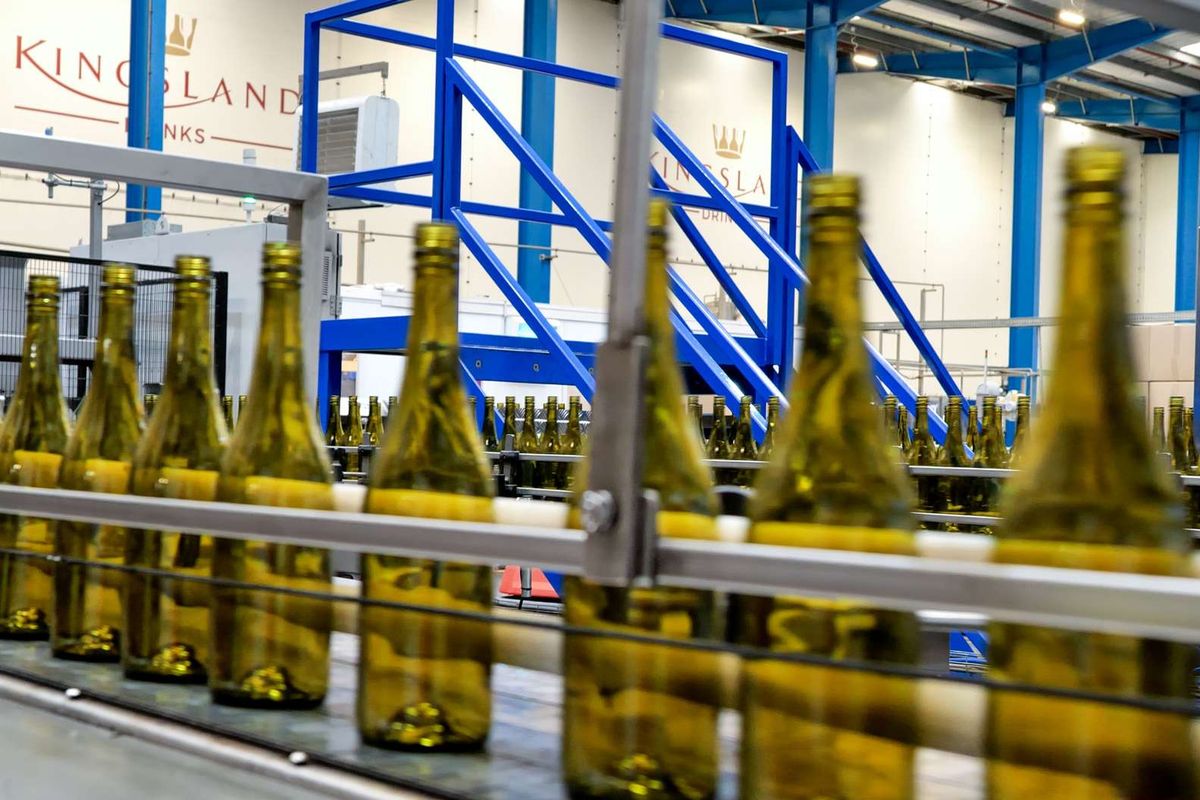

Kingsland Drinks has shared its predictions for 2026, pointing to a year shaped by alcohol moderation, premiumisation, flavour experimentation and a shift towards alternative formats as consumers’ lifestyles and spending habits continue to evolve.
According to Vicky Wood, head of brand development and insights at Kingsland Drinks, convenience and quality will be central to purchasing decisions, as shoppers balance value for money with products that fit around changing social habits. At the same time, producers and retailers will need to stay agile amid market volatility, duty increases, evolving legislation and the impact of Extended Producer Responsibility (EPR) and Deposit Return Schemes (DRS).
“While trends, price and margins all matter, enjoyment of wine and spirits is the fundamental driver,” Wood said, adding that the industry’s role is to “elevate social moments” while adapting to economic and regulatory pressures.
RTDs and canned formats gather pace
Kingsland Drinks expects ready-to-drink (RTD) formats, particularly canned wine, to continue gaining traction in convenience and wider retail. The business has invested heavily in canning at its Salford facility, with capacity to produce up to 26 million cans a year across multiple sizes.
“How, when and where drinkers consume alcohol is changing at pace and while price is a key factor driving purchase decisions, shoppers will opt for brands that fit into their lifestyle choices and that offer quality and convenience” Wood noted.
The supplier has also partnered with organic Sicilian wine brand Vinca, canning its red, white and rosé wines in 187ml formats, alongside sparkling wine in 200ml cans. Kingsland says consumers are increasingly recognising the convenience, recyclability and sustainability benefits of canned drinks across wine, spirits, cocktails and non-alcoholic alternatives.
No- and low-alcohol broadens its appeal
Alcohol moderation is no longer confined to younger shoppers, with Millennials and Gen X increasingly embracing no- and low-alcohol options for health and lifestyle reasons. The focus, Kingsland notes, is shifting towards high-quality alternatives that deliver authentic flavours and can be enjoyed alongside traditional drinks.
Having entered the category in 2019, Kingsland Drinks now blends and bottles a wide range of non-alcoholic wines and spirits, including gin, rum, whisky and tequila, using technology designed to maintain flavour and quality.
Premium wine, bottled in market
Despite ongoing cost pressures, Kingsland believes consumers will still seek premium yet accessible wines. One area tipped for growth is wine bottled in market, with producers from regions such as Australia, South Africa and California repositioning premium liquids to offer better value and improved sustainability.
“We’re optimistic about wine bottled in market as cultural and structural shifts in the global wine supply chain take the lead, driving more premium liquid in wines bottled in market,” Wood said.
The company argues that as awareness grows around the environmental and cost benefits of bulk shipping and UK bottling, perceptions of quality will continue to improve. Its Andrew Peace Australian wine brand, bottled at Kingsland’s UK headquarters, is cited as a strong example, with UK volumes up 32 per cent and sales rising 29 per cent year on year in 2025.
Flavour exploration and sustainability
Looking ahead to new product development, Kingsland’s flavour team predicts growing interest in yuzu, fig and dragon fruit, alongside stronger demand for black cherry, coconut and cream flavours across spirits, cocktails and mixers.
Finally, the business expects EPR to accelerate the shift away from heavier packaging, with cans, lighter-weight glass and alternative materials gaining shelf space in convenience and supermarket stores.
“Alongside this, growing consumer focus on sustainability is also prompting brands to adopt eco- friendly, recycled or recyclable packaging and formats. Brand owners, producers and suppliers are rethinking wine formats altogether with not only cans, but aluminium and lighter weight glass bottles set to gain market share and shelf space,” Wood noted.