



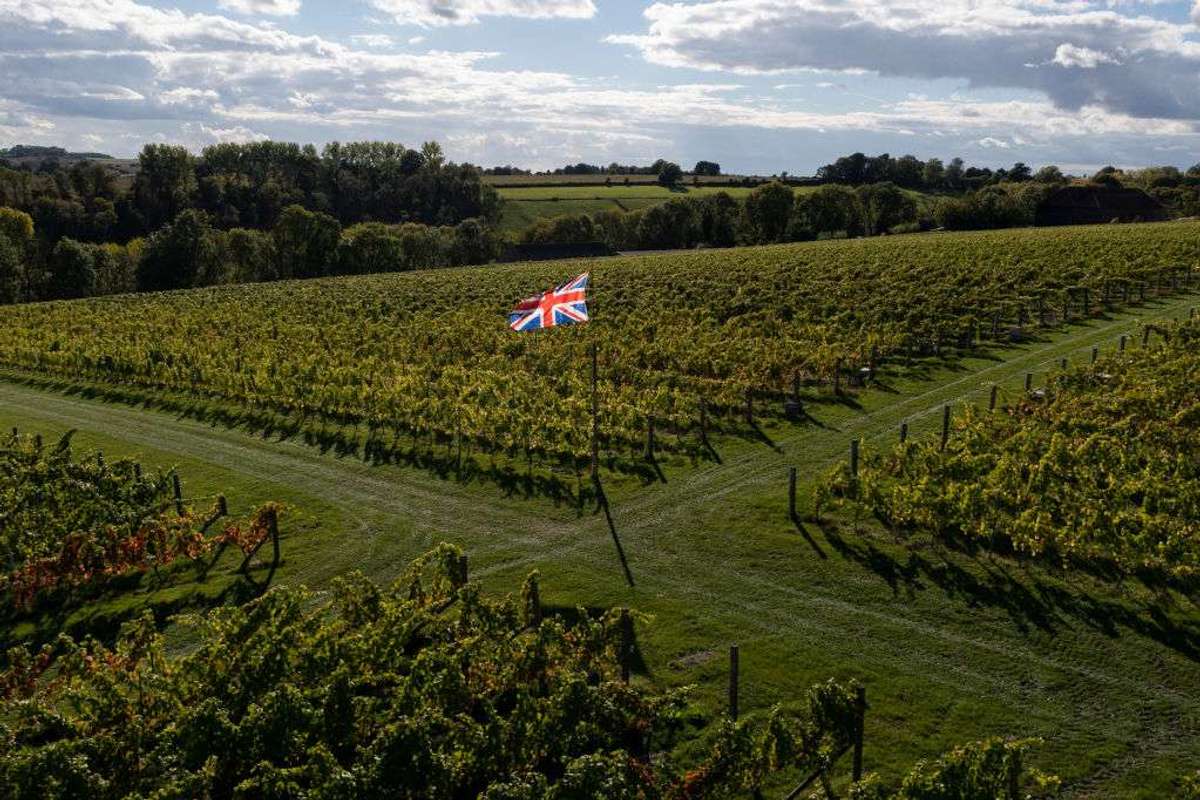

UK wine production surged in 2025, with new data from the Food Standards Agency (FSA) showing output reached more than 124,000 hectolitres – equivalent to over 16.5 million bottles – marking one of the strongest years on record for the sector.
The figures, based on production declarations from across the industry, represent a 55 per cent increase on 2024 and reflect both favourable growing conditions and continued structural growth in English and Welsh wine.
White wine was the standout performer, with production volumes rising by more than 131 per cent year on year, underlining the strength of the 2025 vintage. Overall, the harvest has been widely praised by producers, with strong yields and high-quality fruit reported across key growing regions.
The latest data also highlights the expanding footprint of the UK wine industry. The number of registered vineyards rose to 1,158 in 2025, a 4.3 per cent increase on the previous year, while employment across the sector now exceeds 10,000 people.
Industry value has climbed to an estimated £14 billion, reinforcing wine’s growing contribution to the UK economy and its increasing relevance for retailers, where demand for premium and locally produced products continues to rise.
Mark Dawson, wine standards inspection team leader at the FSA, said the figures demonstrated both the scale of the harvest and the importance of maintaining standards across the supply chain.
“2025 has been a truly exceptional year for English and Welsh wine, and these figures reflect just how far the industry has come. Our role is to ensure that the wine reaching consumers is accurately labelled and meets the required standards. The growth we are seeing across the industry from vineyards to warehouses to wholesalers and traders makes our work more important than ever,” he said.
Meanwhile, WineGB chief executive Nicola Bates described the vintage as the UK’s second-largest harvest, noting that the scale and quality of the 2025 crop reflected the “considerable skill and hard work” of growers and winemakers.
“We take great optimism from the quality and scale of the 2025 vintage and recognise the considerable skill and hard work from viticulturalists and winemakers in bringing in the UKs second largest harvest,” Bates said.
Additional data shows growth across vineyard infrastructure, with commercial vineyards up 5.8 per cent and total planted vine area increasing significantly, including a 15.79 per cent rise in active vine hectares.
As the bumper harvest likely to translate into increased availability of British wines and a broader range of SKUs, particularly in white varietals, the category is expected to offer further opportunities for differentiation, premiumisation and local sourcing within the impulse and neighbourhood retail sector.