




Britain's annual inflation rate fell more than expected in April, largely due to a drop in energy prices in the months before the Middle East war, official data showed Wednesday.
The Consumer Prices Index rose by 2.8 per cent in the 12 months to April, down from 3.3 per cent in March, the Office for National Statistics (ONS) said in a statement.
Analysts' consensus forecast had been for a slowdown to 3.0 per cent in April.
"There was a notable fall in annual inflation led by lower electricity and gas prices," ONS chief economist Grant Fitzner said.
"This was due to the government's energy bill support package... along with lower global wholesale energy prices before the conflict in the Middle East," he said.
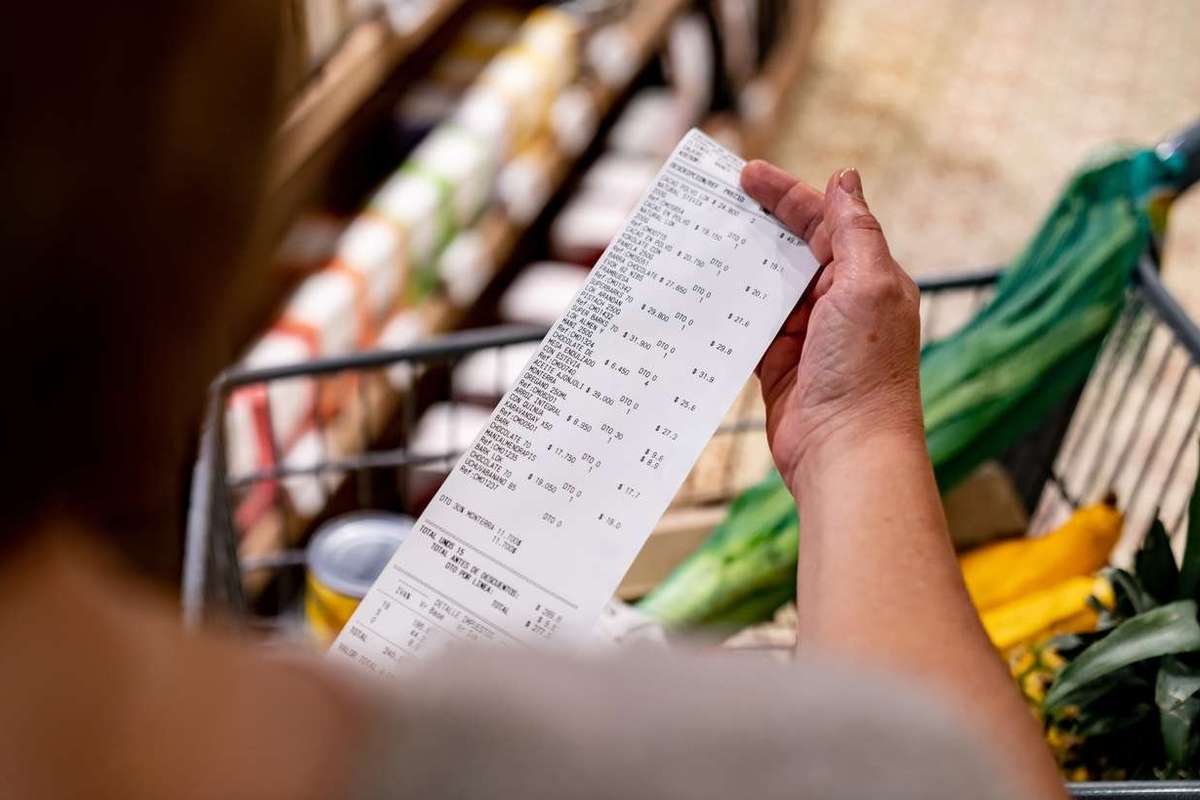
The decline was also driven by a slower increase in food prices. Food and non-alcoholic beverage prices rose by 3 per cent in the 12 months to April 2026, down from 3.7 per cent in March.
Core and services inflation also slowed by more than expected, although cost pressures faced by manufacturers jumped by more than forecast in a Reuters poll.
Motor fuel prices for consumers surged in April.
Before the US-Israeli war on Iran began on February 28, the Bank of England said inflation in Britain - the highest among the Group of Seven economies for much of the last four years - was likely to be close to its 2 per cent target in April.
But the energy price shock from the war prompted the BoE to increase sharply its inflation forecasts which, it says, could hit 6.2 per cent early next year under its most inflationary scenario.
Chancellor Rachel Reeves said she would announce measures on Thursday about further support for households hit by the Iran war energy price shock. This could include the cancellation of a fuel duty increase which is due to come into effect in September.
The Treasury is also pressing supermarket chains to introduce voluntary price caps on key food products in return for easing some regulations, two people with knowledge of the situation said on Tuesday.
The key question for the BoE's interest rate-setters is whether the expected rise in headline inflation creates longer-term price pressures in the economy.
Several have said the weak jobs market could make it harder for workers to demand higher pay and for businesses to pass on higher costs.
Responding to the data, analysts said they expected British inflation to shoot back up in the coming months after the US-Iran conflict sent oil and gas prices soaring.
“The drop in CPI inflation... feels like the lull before the storm,” said Ruth Gregory, deputy chief economist at Capital Economics research group.
“We expect inflation to hover around three percent until July,” she added.
Susannah Streeter, chief investment strategist at Wealth Club, said that while “the softer-than-expected inflation reading will come as welcome relief to policymakers and households... concerns remain that higher energy costs and geopolitical tensions could yet feed through into prices in the months ahead.”
James Walton, Chief Economist at IGD, attributed the slower rise in food inflation to “a lag effect” as food supply chains do not adjust instantly to global events, warning that energy, labour and input costs can take months to filter through to shelf price.
“There are signs that the conflict in the Middle East is beginning to have an effect in the supply chain, as farmers are having to contend with higher diesel prices now and the possibility of raised fertiliser prices next season,” he commented, adding that one of the most recent forecast scenarios by IGD put food inflation between 4.3-5.3 per cent as an average over 2026.
The continued raised food inflation is having an ongoing impact on shoppers, as IGD’s ShopperVista data shows food price concerns are at the highest level for three years, with food prices (94%) sitting above energy prices (86%) as their biggest concern.