



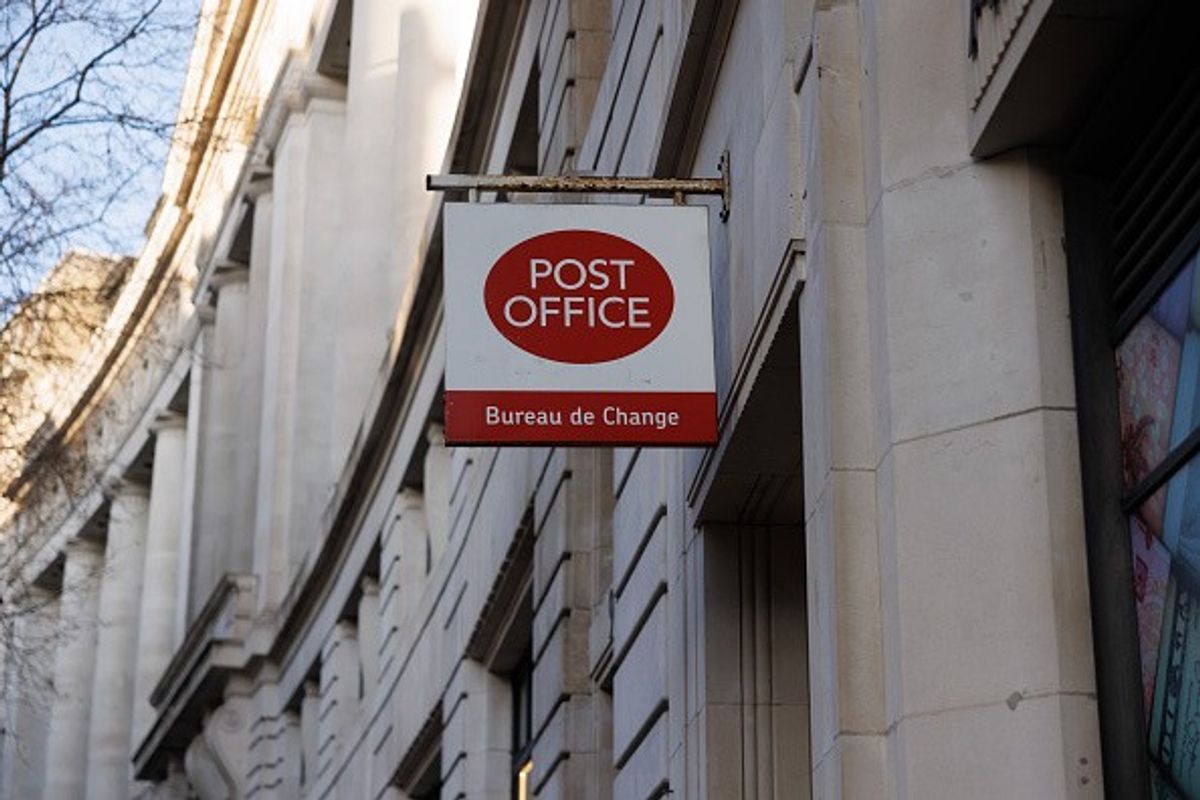

A leading post masters association has called on its members to embrace digital transformation and operational change to secure the long-term future, warning that “standing still is no longer an option” in today’s highly competitive retail environment.
Speaking at the National Federation of SubPostmasters Annual Conference, chief executive Calum Greenhow said the sector must evolve into a more modern “phygital” network, combining the strengths of physical branches with digital convenience as customer expectations continue to shift.
Reflecting on how the industry has changed over the past three decades, he highlighted growing competition, tighter margins and increasing operational pressures on postmasters, including staffing challenges and declining footfall in some areas.
However, he stressed that parcels, banking, bill payments and government services continue to offer strong growth opportunities, particularly among younger consumers who still regularly use post office services.
Calum highlighted the importance of speed, convenience, and operational discipline, particularly around parcel handling and collection processes. He also outlined several technology investments needed to support growth, including self-service facilities, automated lockers, improved mobile integration, AI-enabled logistics tools, enhanced tracking systems, portable transaction devices, and the replacement of the Horizon system with more modern technology.
A significant part of the speech focused on strengthening the NFSP’s regional and branch structures. Calum argued that as Post Office Ltd (PO) retracts from direct engagement with the network, the NFSP’s role as a trusted support organisation becomes even more important.
He called for clearer governance, stronger communication between national and regional structures, better use of shared data and digital tools, and greater empowerment for regional leaders.
The latter part of the speech focused heavily on transformative justice and the future relationship between PO and postmasters following the Horizon scandal.
Calum argued that the historic ‘master-servant’ relationship must be replaced by one based on equality, transparency, and partnership. He outlined proposals including a new Stakeholder Committee, a formal negotiation framework, independent mediation processes, and ultimately a path towards mutualisation, giving postmasters a greater ownership stake and influence in the future direction of the organisation.