



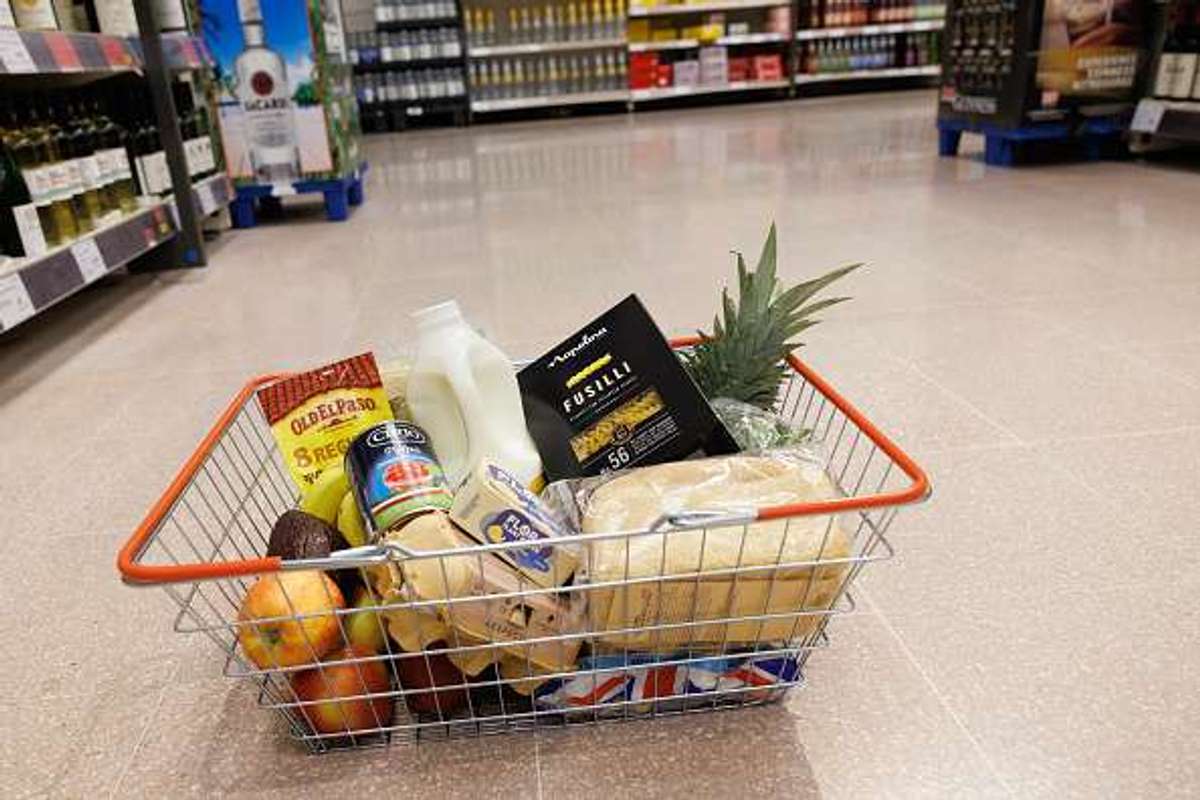

Alcohol-free beer and hummus are some of the items that have been added to the list of products used to measure UK inflation, reflecting changes in spending habits.
In its annual update to the basket of goods and services used to track price growth, the Office for National Statistics added 27 items to the list of more than 700 products deemed representative of what consumers typically spend their money on, while 19 were removed.
Non-alcoholic beer has been added for the first time to represent an uncovered area of the alcohol market. Sales have increased over recent years, as has the product range and shelf-space devoted to the product. The new item will be combined with scanner data in a "beer, low and non-alcoholic" consumption segment.
Stephen Burgess, deputy director for prices at the ONS, said the update in the items tracked to measure inflation offered a “valuable insight” into consumers’ latest shopping habits.
“This year, healthier lifestyle choices influence consumer spending, reflected by goods such as hummus and non-alcoholic beer, while motor homes wheel into the basket, and increased demand for pet grooming is reflected,” FT quoted Burgess as saying.
The grocery items that have been added are being used to represent prices paid in stores not providing scanner data and will be merged with that information when producing the indices for "consumption segments".
The inflation basket offers a snapshot of evolving consumer behaviour in the UK.
Alongside houmous and alcohol-free beer, the latest additions include motorhomes, dashboard cameras and pet grooming services, all of which the ONS said reflect growing consumer demand.
This year, some smaller changes were also made to reflect retail realities. For example, sheets of wrapping paper have been replaced by rolls, which are now far more commonly sold in stores.
The ONS is introducing supermarket scanner data to capture more than half of the UK grocery market. Instead of thousands of prices being collected manually by researchers, the agency will now analyse millions of prices automatically gathered from supermarket tills.
This shift is expected to provide a far more detailed picture of price changes across the grocery sector.
Once processed, the data feeds into the Consumer Prices Index (CPI), the UK’s main measure of inflation.