



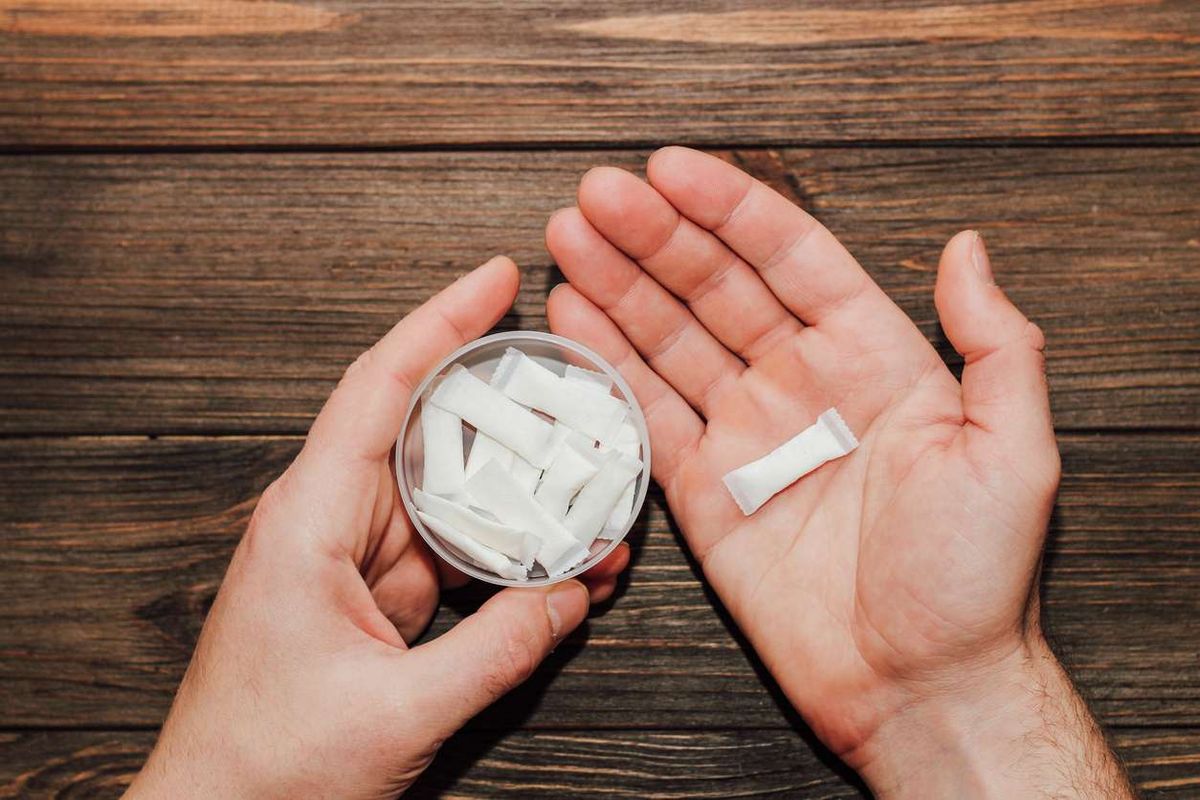

Use of nicotine pouches in Great Britain has risen sharply over the past five years, driven largely by young men, according to new research led by University College London (UCL).
The study, published in The Lancet Public Health and funded by Cancer Research UK, found that overall pouch use increased tenfold from 0.1 per cent to 1 per cent of adults between 2020 and 2025 – equivalent to around 522,000 people. Among men aged 16 to 24, one in 13 (7.5%) now report using nicotine pouches.
Researchers analysed data from 127,793 people aged 16 and over in England, Scotland and Wales, collected between October 2020 and March 2025 as part of the ongoing Smoking Toolkit Study.
While most pouch users (69%) also used other nicotine products such as cigarettes or vapes, the study found that one in six (16%) had never regularly smoked. Between 2022 and 2025, an estimated 72 per cent of pouch users were men and just under half (47%) were aged under 25. More than half (56%) also smoked and 39 per cent vaped.
Lead author Dr Harry Tattan-Birch, from UCL’s Institute of Epidemiology & Health Care, said the growth in use had been “driven almost exclusively by young people, especially young men”, with use among adults over 35 remaining “stable and low”.
“This may be due in part to aggressive advertising targeting this group on social media, billboards, in bars and train stations, and through sponsorships of motorsports and music festivals,” he noted.
The findings land amid growing regulatory scrutiny. Currently, there are no age restrictions on the sale of nicotine pouches in the UK, but the forthcoming Tobacco and Vapes Bill is expected to ban sales to under-18s and introduce tighter controls on advertising, flavours, packaging and nicotine content.
“Pouches have a substantially lower risk to health than cigarettes and are likely less harmful than e-cigarettes,” Dr Tattan-Birch said. “However, they are not harmless and can currently be sold to children with no marketing restrictions and no cap on nicotine content. Our findings underscore the urgency of the Tobacco and Vapes Bill.”
The study also found that the use of nicotine pouches as a quit aid has increased. Between 2020 and 2025, their use in recent quit attempts tripled to 6.5 per cent, exceeding prescription varenicline (1.1%) and prescription nicotine replacement therapy (4.5%), but remaining below over-the-counter NRT (17.3%) and e-cigarettes (40.2%).
However, the researchers cautioned that there is still limited evidence on whether pouches are effective for smoking cessation. “We do not currently know if nicotine pouches are effective in helping people quit smoking,” Dr Tattan-Birch said, calling for further research.
A recent US research, published in JAMA Network Open, found the highest prevalence of pouch use among former smokers and e-cigarette users who had recently quit, suggesting that nicotine pouches may be acting as a harm reduction tool for those seeking alternatives to combustible tobacco.
The UCL researchers warned that while age-of-sale laws and marketing restrictions are needed to curb youth uptake, proposals to cap nicotine strength should be assessed carefully. Spain has proposed a maximum of 0.99mg of nicotine per pouch, compared with 3–20mg in most current products and 2–4mg in many licensed oral NRTs. Very low limits, the researchers said, could undermine any potential role pouches might play in helping smokers quit.