




Consumers are already feeling the squeeze from the Iran war, with more cutting back on saving to cover rising costs, RSM UK’s latest Consumer Outlook report showed.
RSM’s survey of 2,000 consumers found that over a fifth (21 per cent) of consumers will save less than usual to help cover rising costs over the next three months, rising from 17 per cent before the Iran war hit. In addition, six per cent of consumers will draw down on existing savings to help cover rising costs, up slightly from 5 per cent in February.
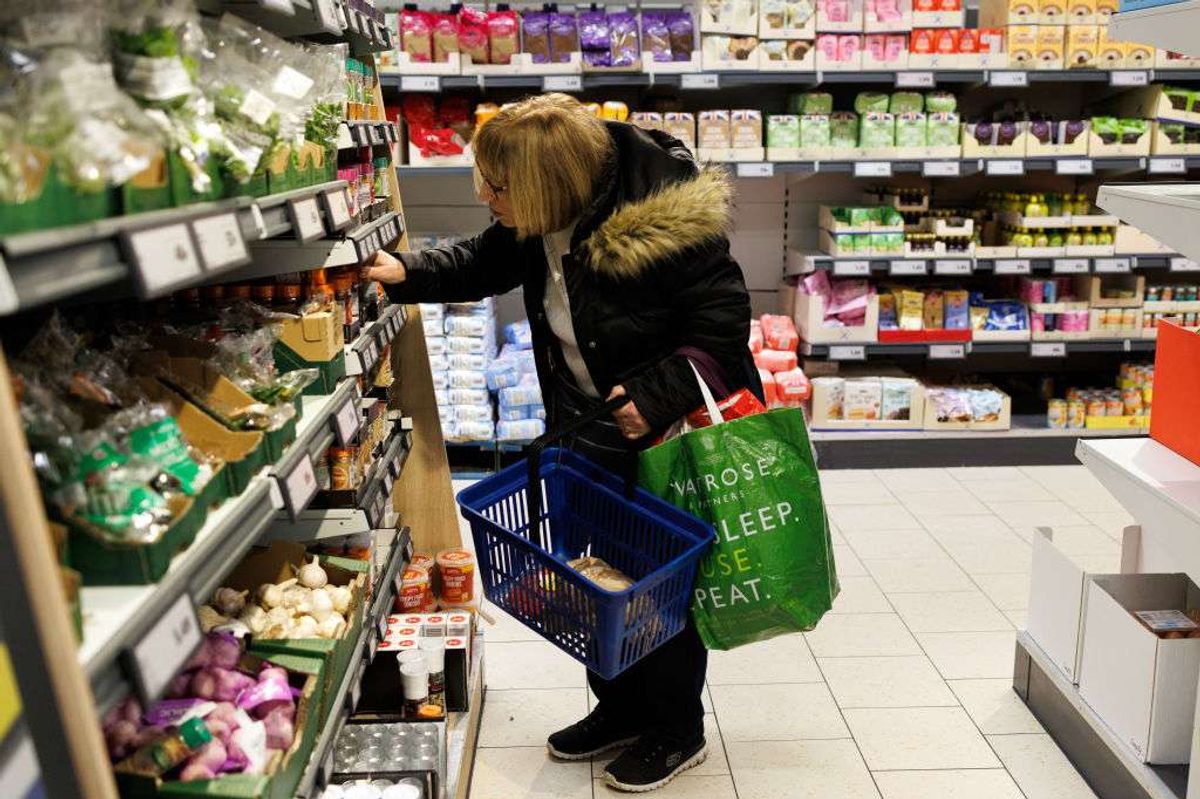
The top three areas that consumers plan to spend more money on in the next three months include groceries (up from 18 per cent in February to 24 per cent in March), energy consumption (up from 10 per cent to 15 per cent) and using a car e.g. petrol, which more than doubled from six per cent to 13 per cent as consumer feel the 20 per cent jump in fuel prices to 157.62p per litre on 20 April, up from 131.46p per litre in mid-February.
“We’re seeing early signs that consumers are starting to feel the pinch from the Iran conflict, and learnings from the 2022 energy crisis suggest it’s only a matter of time before that feeds through to sentiment,” Robyn Duffy, consumer markets senior analyst at RSM UK, noted.
“Consumers have already suffered a hit through the surge in fuel prices, plus the jump in inflation in March and expected increases in energy costs, means many are planning to dip into their savings to soften the blow.”
Earlier this week, Deloitte Consumer Tracker showed that consumer confidence has declined by three percentage points during the first quarter of 2026, reaching its lowest level since Q3 2023.
Duffy said the income squeeze and savings drop will likely result in many pulling back on discretionary spending and ‘nice to haves’, hitting consumer-facing businesses the hardest.
“The unusually high levels of savings could help to smooth the impact of higher costs in the near-term. However, households tend to prioritise rebuilding savings in the aftermath of a shock, so spending may remain subdued for a prolonged period, particularly if we see interest rates go up,” he added.