



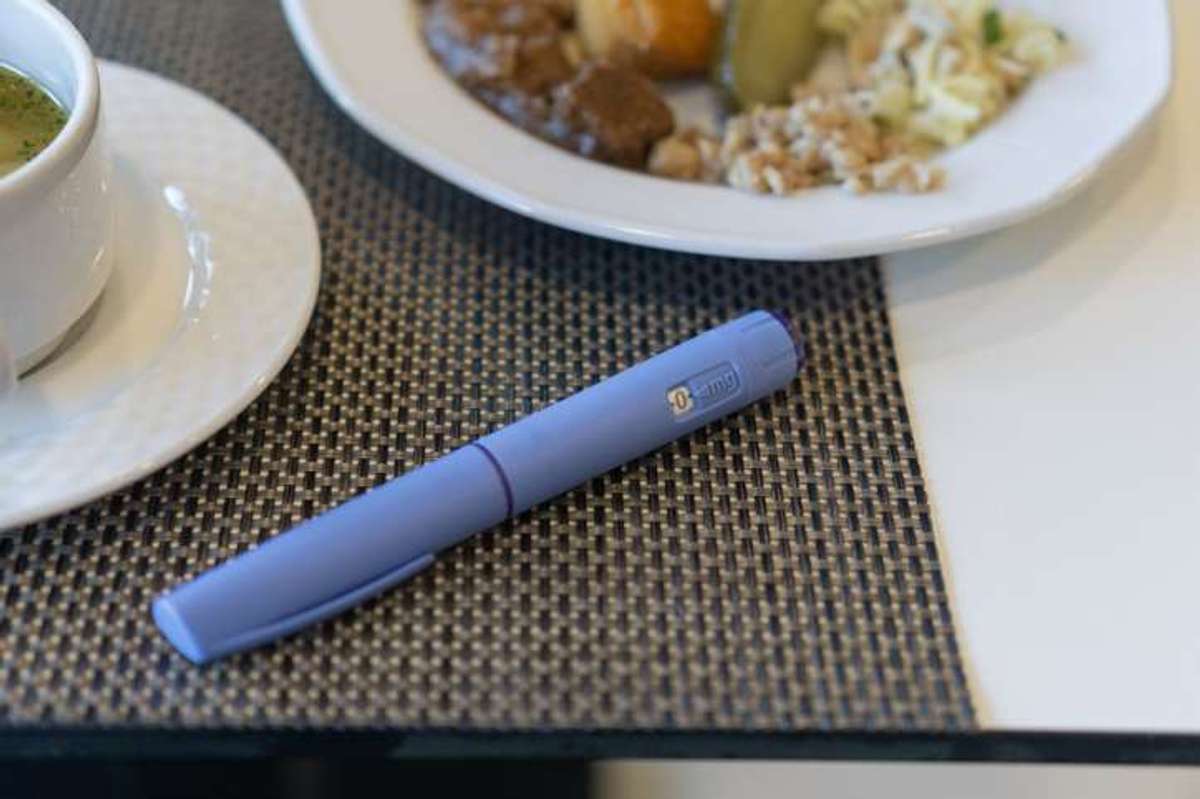

New IGD (Institute of Grocery Distribution) research reveals that uptake of GLP-1 weight loss medications has almost doubled in the UK since June 2025, rising from 3.1 per cent to six per cent in March this year.
Findings in the first quarterly report from the IGD Futures: GLP-1 insight programme also reveal that more affluent mid-life women are the main group driving GLP-1 usage, with people aged 18 to 24 or 65+ using GLP-1s the least.
Meanwhile, 94 per cent of UK adults are aware of weight loss drugs (up from 88 per cent in June) and 42 per cent personally know someone who uses them (up from 24 per cent in June).
Barriers to use declining
Based on monthly polling of over 2,000 nationally representative UK shoppers, IGD attributes the acceleration in uptake to growing availability via online pharmacies, and increased social proof from friends, family, and celebrities.
Caroline Young, Shopper Insights Manager at IGD, commented, “While awareness of GLP-1s has become mainstream, usage remains fairly exclusive – for now. Barriers to use are declining and the upcoming availability of oral formats will remove a major barrier in administering injections, which deters 39 per cent of UK adults.
“The challenge and opportunity for brands and retailers is understanding and adjusting to user motivations before the speed and scale of adoption impacts consumption and behaviours further.”
Three distinct GLP-1 user types
IGD’s research identifies three user types whose motivations shape their behaviour during and after GLP-1 usage:
- “Health-driven” users adopt GLP-1s with the intention to turn their health around, and pair them with long-term dietary and lifestyle changes.
- “Last resort” users see GLP-1s as a last ditch attempt to lose weight when no other diet has worked and engage less in nutrition beyond eating less.
- “Quick fixer” users take GLP-1s short-term for aesthetic or event-driven goals, often cycling on and off.
Industry implications are most pronounced with “health-driven” users, IGD asserts, as they are most likely to undergo a major dietary and lifestyle overhaul.
This often translates to an increase in scratch cooking, functional foods, and targeting lighter, protein-rich meals when eating out.
“Last resort” users are less transformative: they mainly change the volume of what they eat, rather than what they eat. They still consume ready meals but seek smaller portions.
The “quick fixer” type has a goal in mind but can still be tempted by indulgence in small doses. This extends to away from home where these users are likely to respond well to the flexibility of formats like tapas and shareable dishes.
Across all user types, breakfast is the most vulnerable meal occasion, with many users eating only one or two meals a day
Complex changes in taste preferences
Beyond users eating less, IGD finds that GLP-1 usage is actively reshaping how food tastes, with many users reporting altered flavour preferences.
Nearly six in 10 GLP-1 users (59 per cent) say their preference for fatty foods decreases, making this the most affected flavour profile. Next are sweet foods (49 per cent), creamy foods (37 per cent) and salty foods (32 per cent).
However, flavour experiences are complex. While many users prefer simpler, blander foods, over a quarter (27 per cent) show an increased preference for sweet or creamy foods.
Underlining the diverse effects of GLP-1 use is IGD’s finding that around a third (32 per cent) enjoy spicy foods more, while almost a quarter (24 per cent) enjoy them less.
Almost half go out to eat less
One of the most notable findings from IGD’s research is the impact of GLP-1 usage on eating and drinking away of home:
- 41 per cent of users visit restaurants less often.
- 47 per cent go to coffee shops and sandwich bars less often.
- 30 per cent drink less alcohol, which sees some users socialise less often.
When users do eat out, portions are frequently shared or taken home. Some actively time their injections to allow for a greater appetite at weekends, but overall frequency and spend are down.
Young said, “Smaller portions, lighter menus, protein-rich dishes and flexible formats could help operators future-proof menus for their growing GLP-1 audiences.”