




The government’s flagship Employment Rights Bill has hit another hurdle after the House of Lords backed a further amendment on Wednesday.
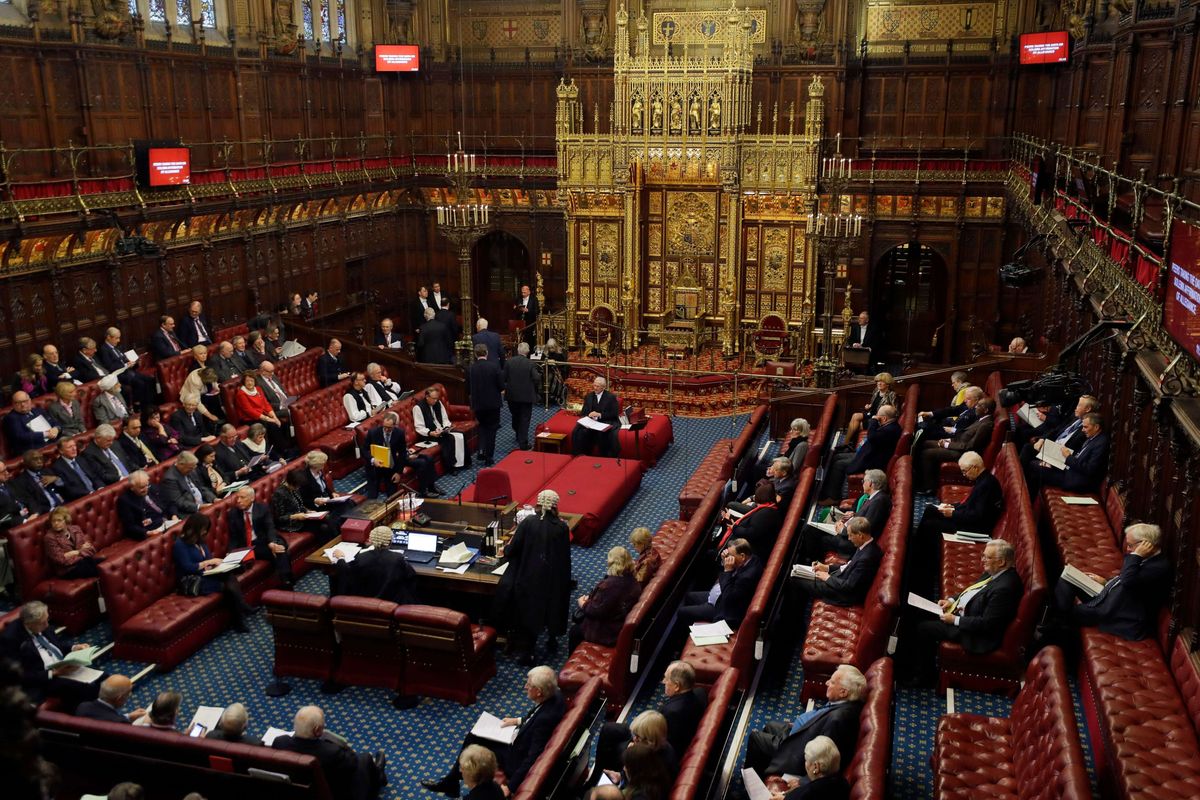
Despite ministers insisting a compromise reached with business groups and unions two weeks ago would clear the way for the bill to pass before Christmas, peers voted 244–220 to require a review of plans to abolish the cap on compensation in ordinary unfair dismissal cases.
The parliamentary stand-off now sends the bill back to the Commons on Monday (15 December), prolonging the “ping-pong” process until both Houses agree a final package.
The Federation of Small Businesses has voiced concerns that uncapped awards – which currently are limited to the lower of £118,223 or a claimant’s annual salary – could “gum up tribunals” and expose smaller employers to open-ended liabilities.
“That was not a concession discussed with us or agreed by us in the negotiations,” FSB executive director Craig Beaumont told the BBC.
Conservative peer Lord Sharpe said the policy risked becoming “a recipe for the rich and a wrecking of justice for working people,” while crossbench peer Lord Londesborough described business reaction as “anger and indignation” at how the clause had been “sneaked in” at the last minute.
Last month, British Retail Consortium has urged the peers to “stand firm” on the amendments, warning that if the bill passes without amendments, it will “hinder rather than help retailers play their part in offering local, flexible and part-time jobs at scale.”
Government says reforms will modernise rights and reduce disputes
Ministers maintain the bill is essential to delivering the “biggest upgrade to rights at work for a generation”, including day-one eligibility for parental leave and sick pay, a ban on exploitative zero-hour contracts, and strengthened rights to flexible working.
Business minister Baroness Lloyd argued that removing the cap on ordinary unfair dismissal awards would “lessen” the incentive for claimants to frame cases as discrimination, as this allowed uncapped compensation.
“These types of claims are more complex and take longer for the tribunal to handle," she said.
“Therefore, by our removing the compensation cap for ordinary unfair dismissal claims, this incentive will be lessened, making it easier for tribunals to reach a judgement more quickly and decreasing burdens on the system.”
The government has already rowed back on its original promise of day-one unfair dismissal rights, shifting to a six-month qualifying period following complaints from employer groups that the proposal could discourage recruitment.
Unions condemn Lords’ intervention
Unions have accused peers of blocking a core manifesto commitment. Retail union Usdaw said the Lords’ amendments risk delaying improved protections scheduled for April, including day-one sick pay.
General secretary Joanne Thomas criticised Conservative, Liberal Democrat and Reform UK peers for “going against the expressed will of the people,” urging the Lords to “step aside” and allow the bill to proceed.
“It is vital that the Bill is passed by the end of the year, so that from April millions of low-paid workers will have the right to sick pay from day one of employment and to keep the government’s timetable for implementation on track,” Thomas said.
Read More: Government sets out timeline for employment rights reforms
TUC general secretary Paul Nowak said: “Continuing to vote down the Employment Rights Bill, a clear manifesto commitment, is undemocratic.
"This bill has been debated and scrutinised for months. Tory peers are actively defying the will of the British public and their own supporters who overwhelmingly support measures in this bill.”