




Landmark reforms to UK employment law have come into force this week, delivering what the government has described as the most significant upgrade to workers’ rights in a generation and introducing new obligations for retailers as employers.
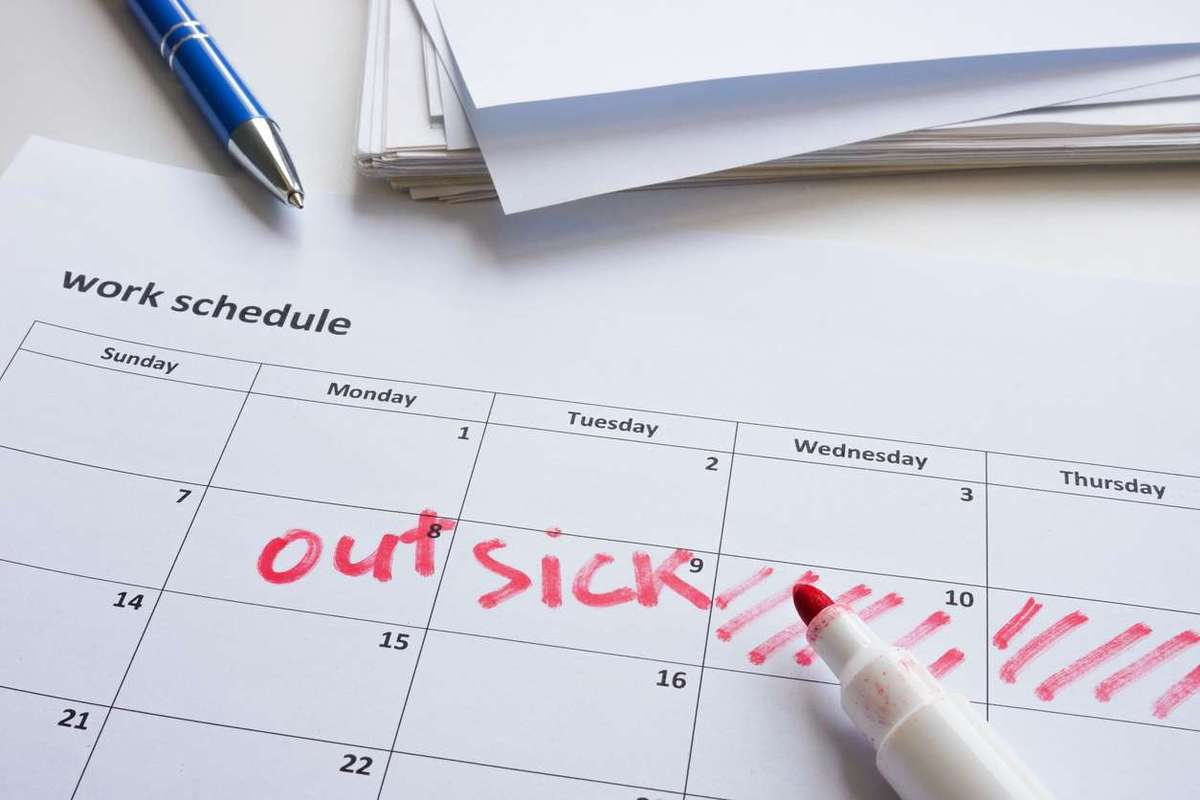
From 6 April, employees are now entitled to Statutory Sick Pay (SSP) from the first day of sickness absence, removing the previous three-day waiting period. The change applies regardless of earnings level and is expected to benefit millions of workers across the UK, collectively receiving an estimated £400 million more per year in sick pay.
The government said the move will enable staff to recover without financial pressure, helping to reduce the spread of illness in workplaces and improve overall productivity.
Alongside SSP reforms, new ‘day one’ rights to paternity leave and unpaid parental leave have also taken effect. Around 32,000 fathers and partners will now be eligible for paternity leave from the start of a new job, while 1.5 million working parents will gain immediate access to unpaid parental leave, removing previous qualifying periods.
“Day one rights mean exactly that: rights that are there for you from the moment you start a job, and from the moment you get sick,” business secretary Peter Kyle said.
“Whether you’re a low-paid employee who’s been forced to work while unwell, or a new parent who wants to be there for their family, these changes are for you. We’re delivering the most significant upgrade to workers’ rights in a generation.”
The reforms also introduce Bereaved Partner’s Paternity Leave, granting employees time off following the death of a child’s mother or primary adopter. The measure has been championed by campaigners including Aaron Horsey and the charity Gingerbread.
Further changes include strengthened collective redundancy protections, a simplified trade union recognition process and enhanced whistleblowing safeguards.
Enforcement will also be bolstered with the launch of the Fair Work Agency on 7 April, bringing together three existing bodies into a single authority aimed at improving compliance and reducing complexity for employers.
For larger operators, the reforms also introduce the option for businesses with 250 or more employees to publish voluntary action plans alongside gender pay gap reports, including measures to support employees experiencing menopause.
Statutory Sick Pay is now set at the lower of £123.25 per week or 80 per cent of average weekly earnings, and will be uprated annually in line with CPI.
The move comes amid rising concern among retailers about labour costs, with a recent British Retail Consortium survey showing growing pessimism across the sector since the Employment Rights Act came into force in January.
For full details on the changes, businesses and workers can refer to official guidance published by the UK government on the new employment rights.